
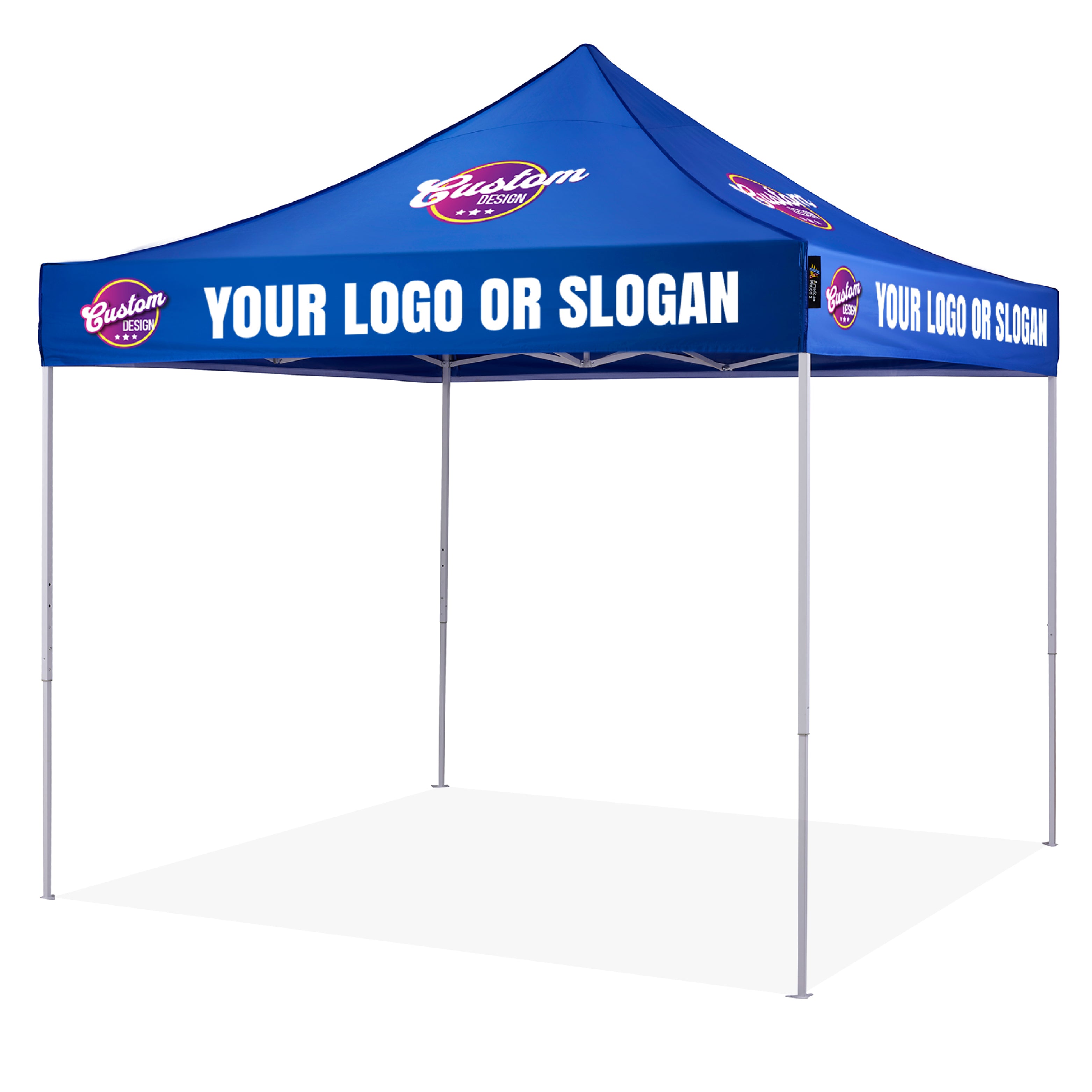
Custom Canopy Tent with Logo, 10x10 Feet Canopy Printing
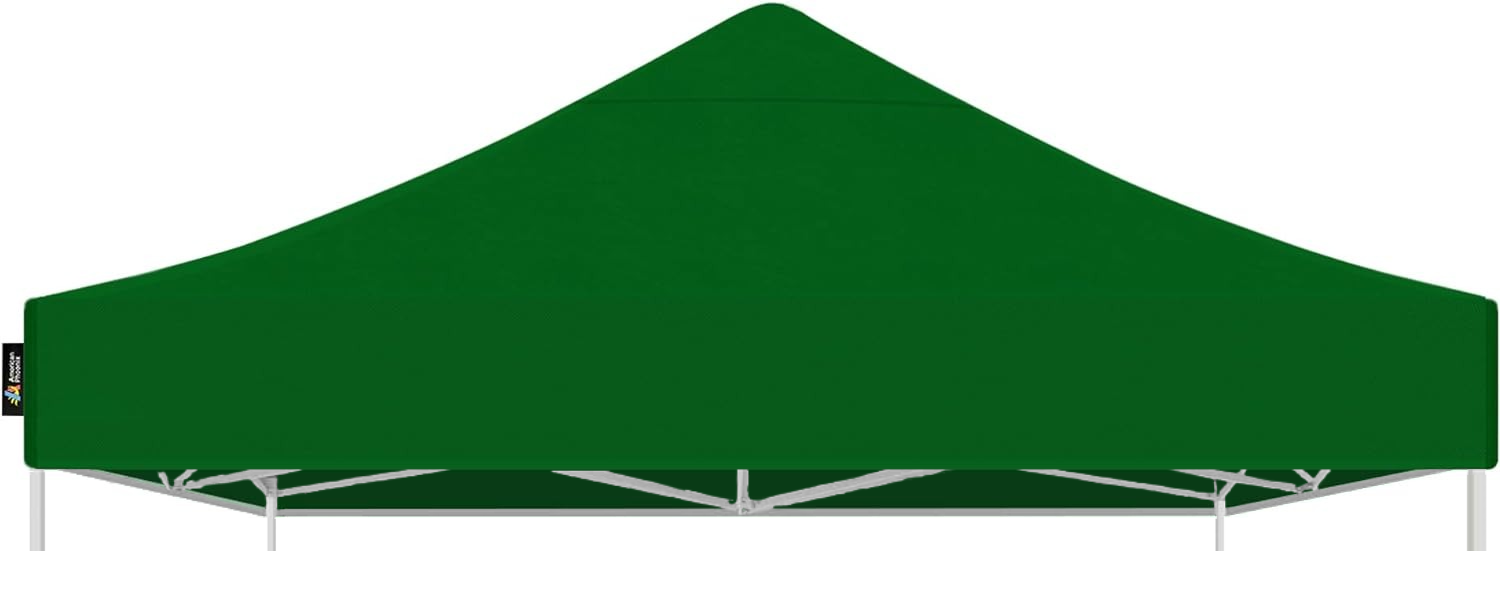
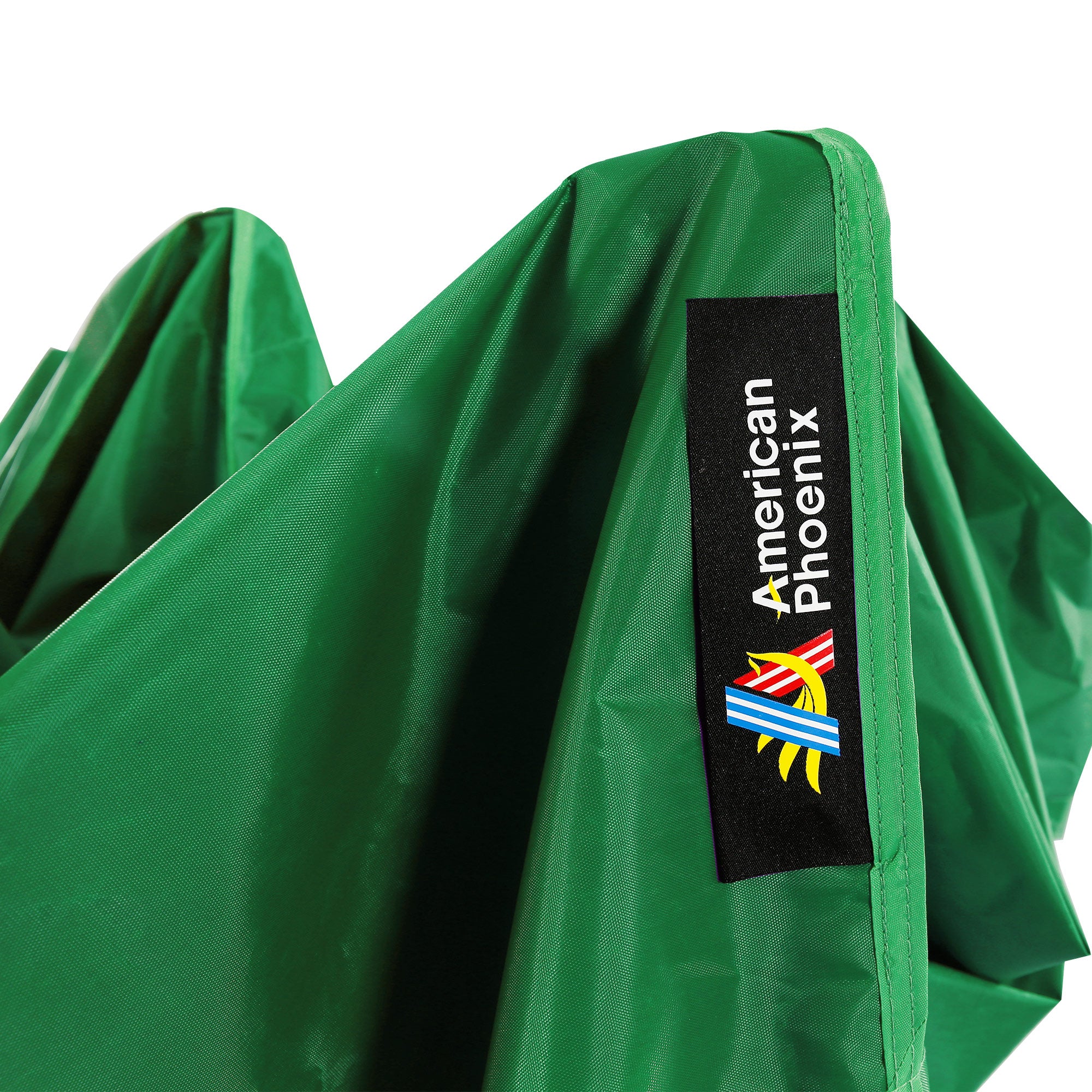
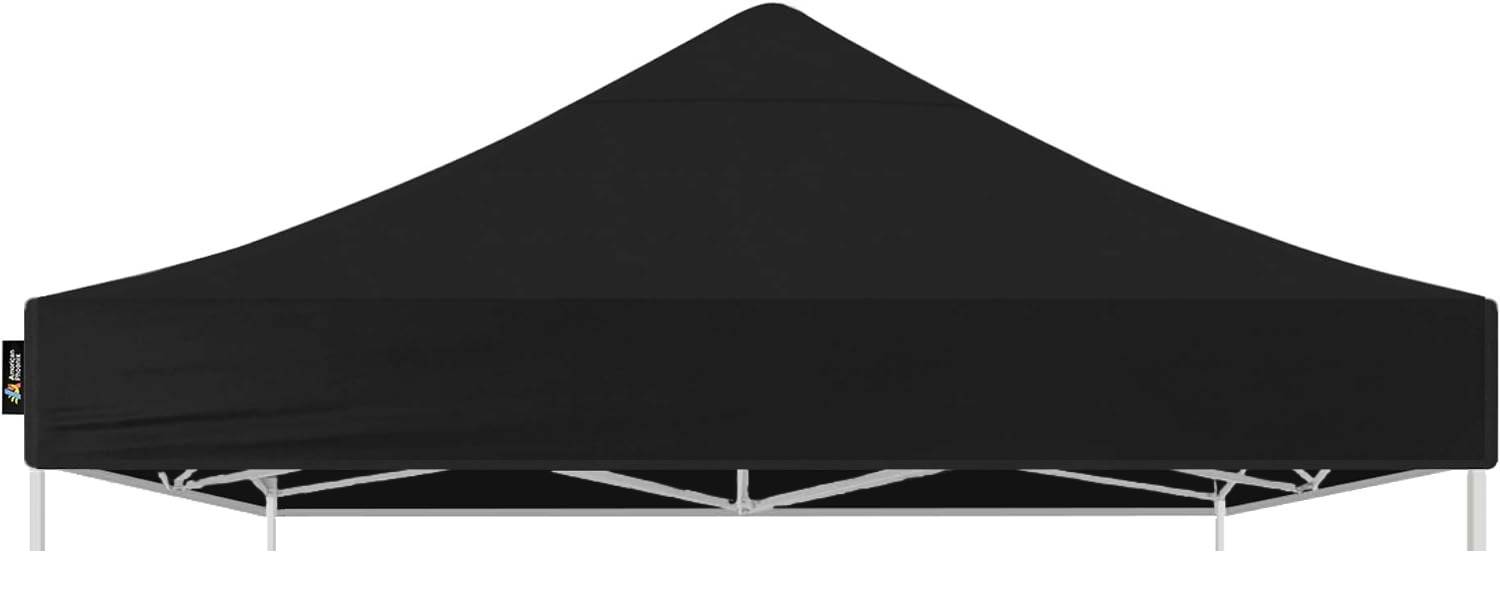
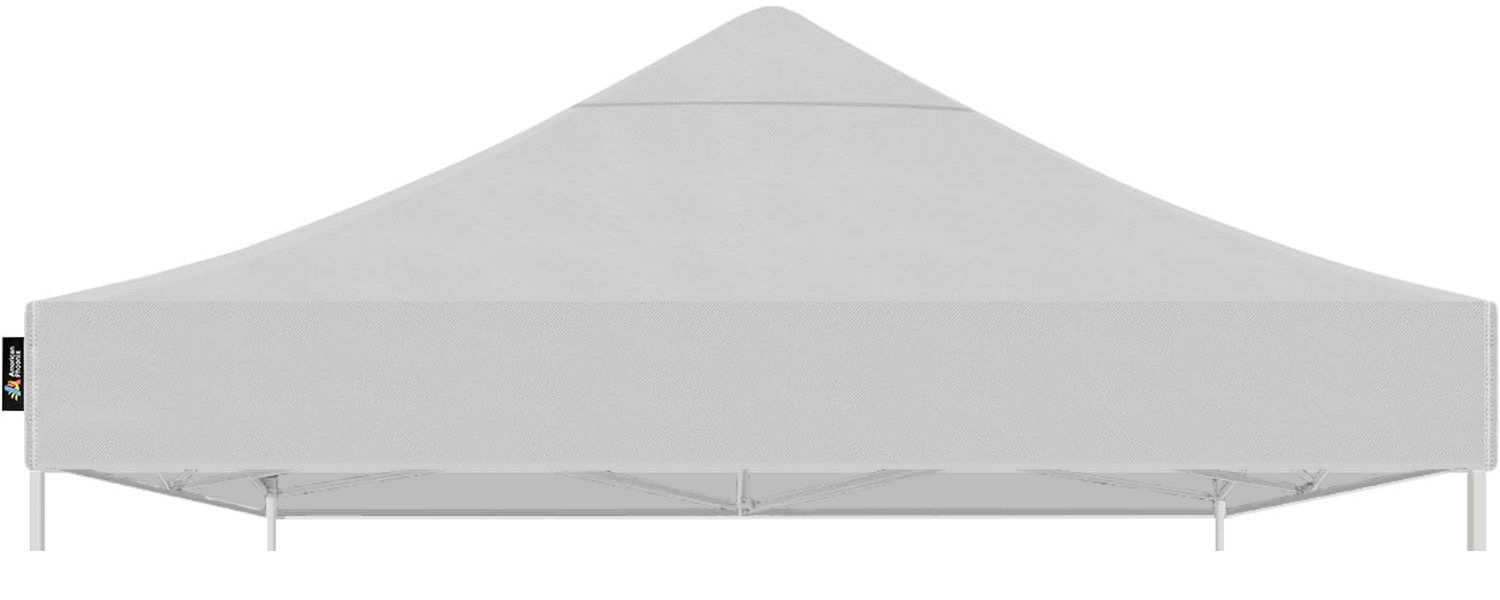

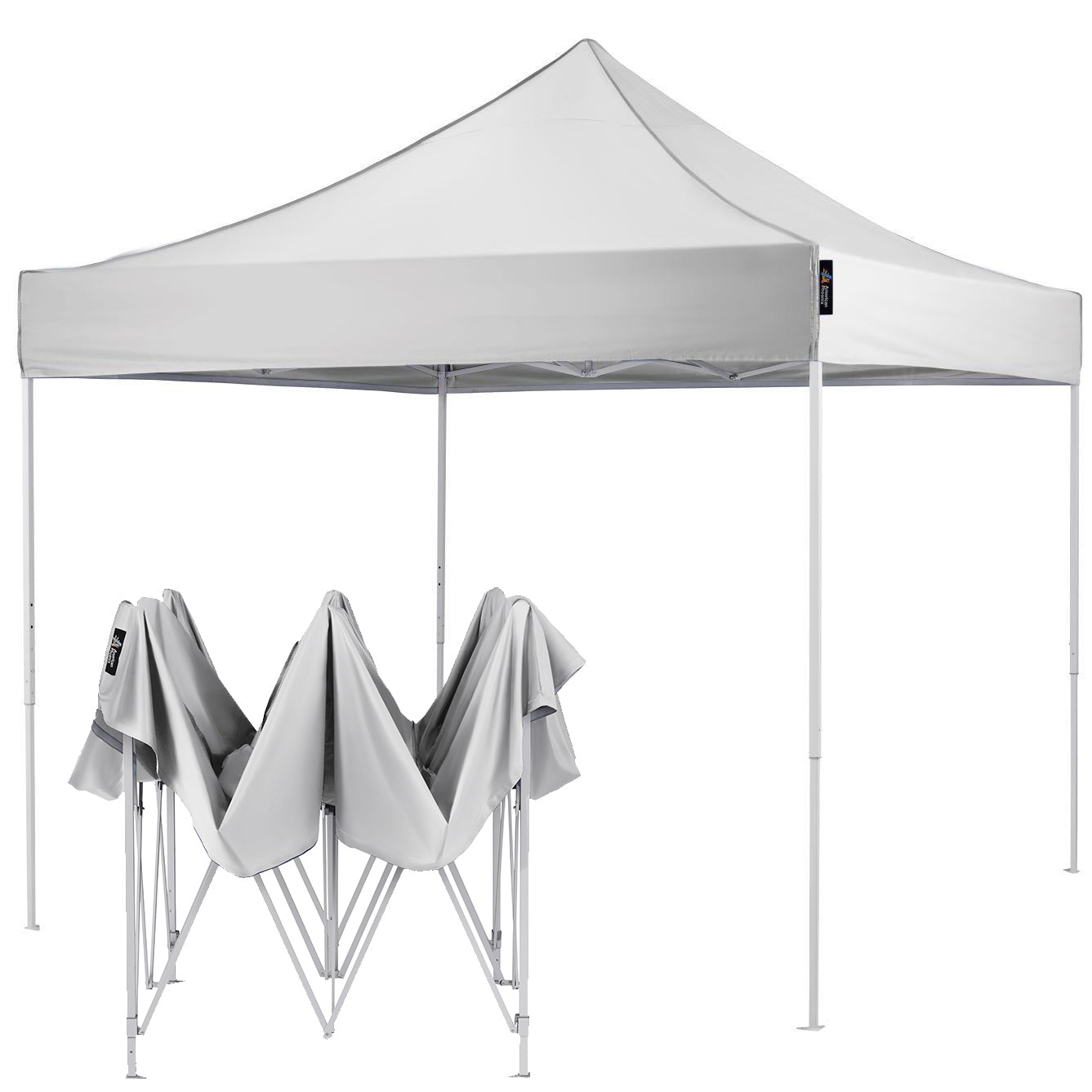
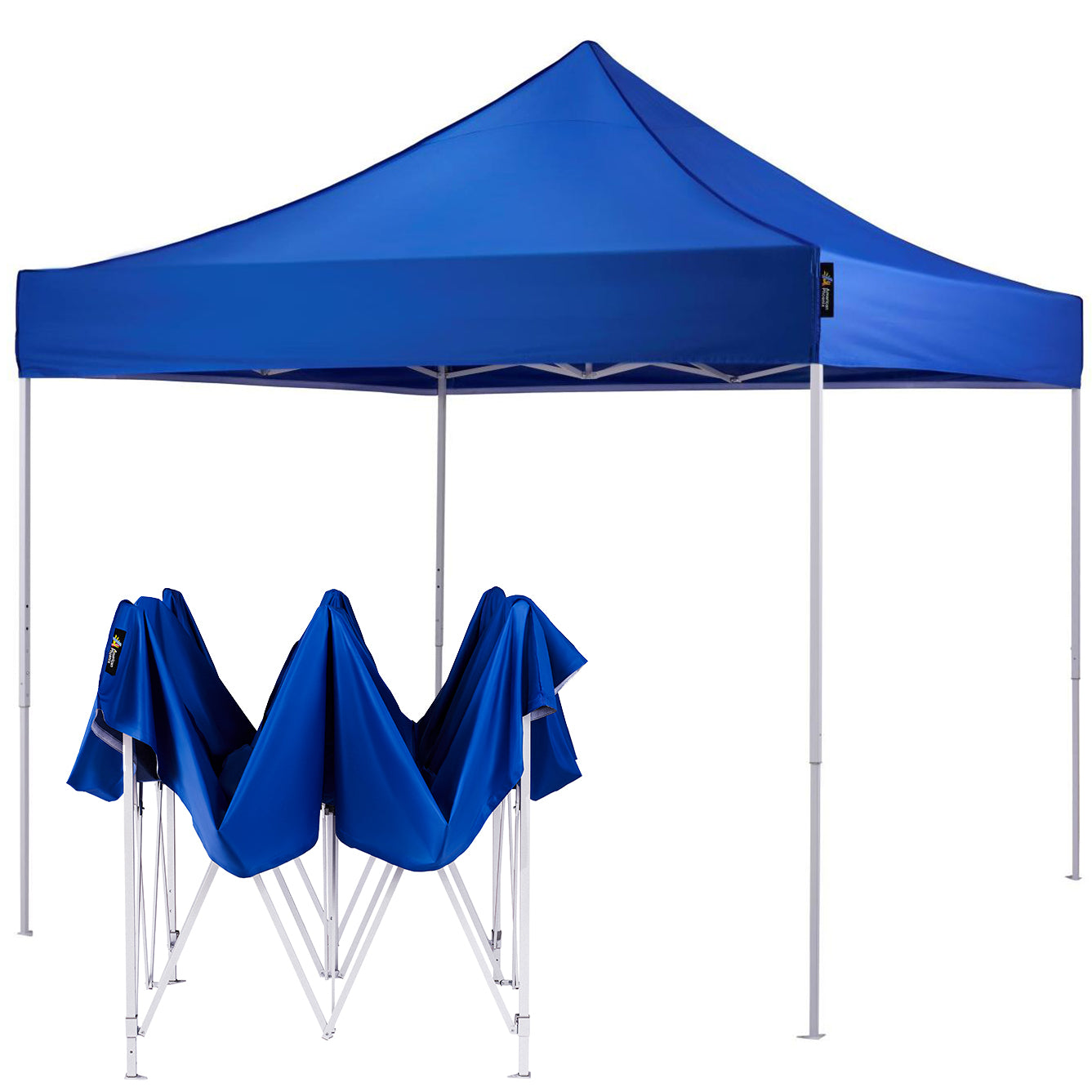
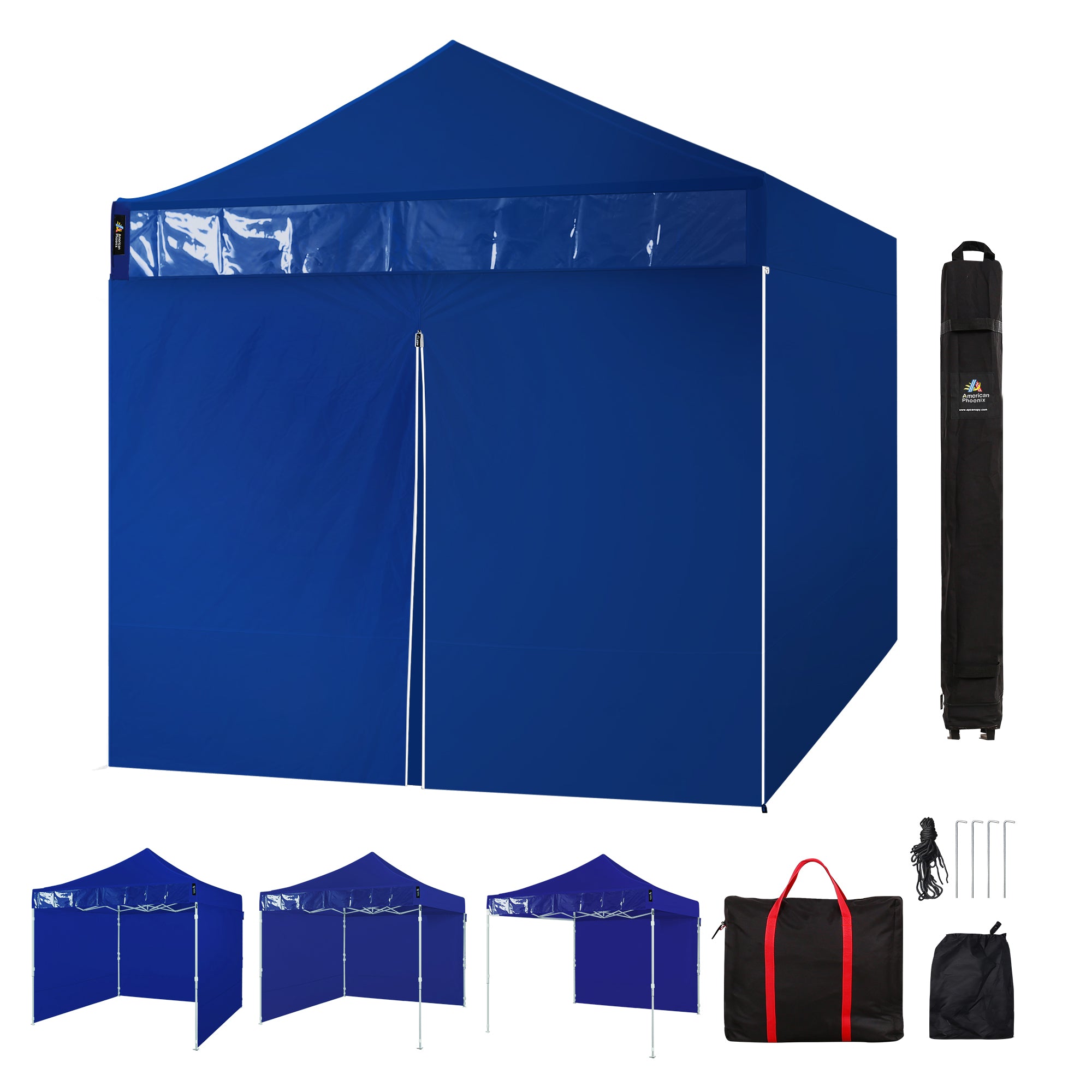
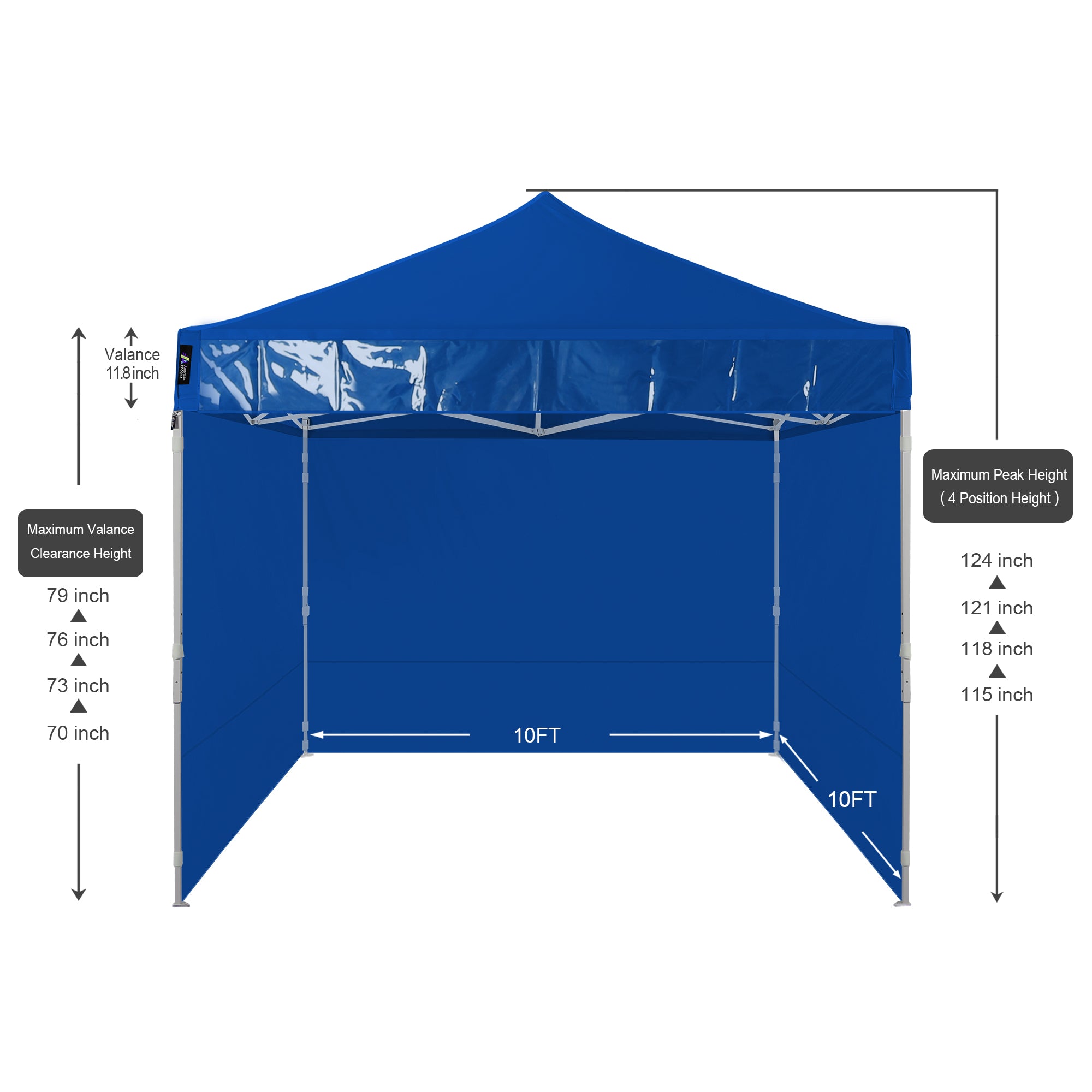
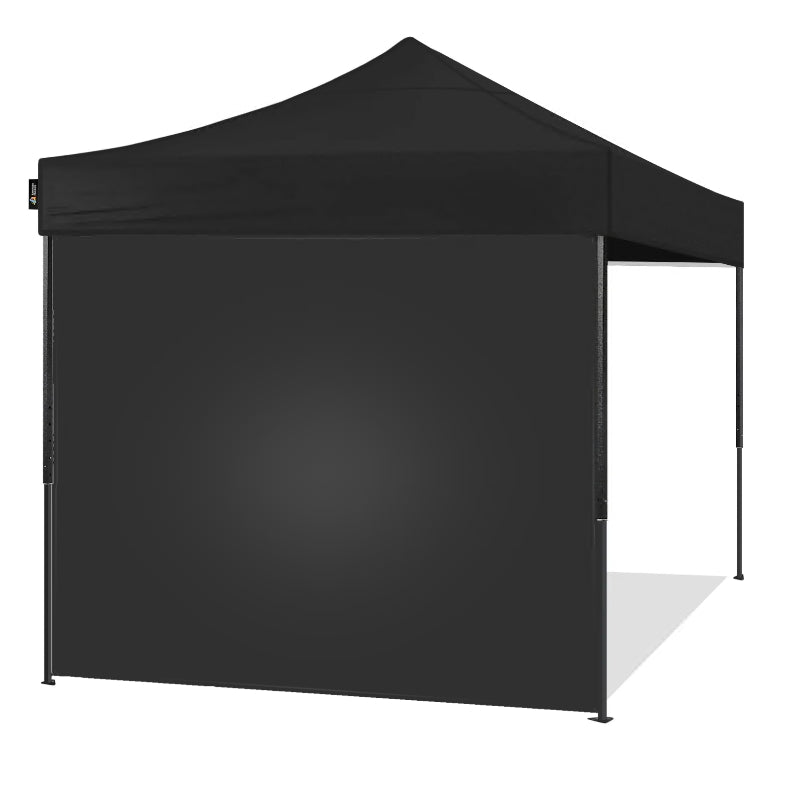
There is a reason the 10x10 canopy tent shows up at farmers markets, craft fairs, festivals, sporting events and outdoor business setups again and again. A 10-foot by 10-foot footprint gives you 100 square feet of usable covered area without moving into the space requirements of a larger 10x15 or 10x20 tent.
That size works for a real booth, not just a shade point. You can build around a sales table, merchandise displays, registration equipment or a small team while still keeping the setup contained within a 10x10 footprint.
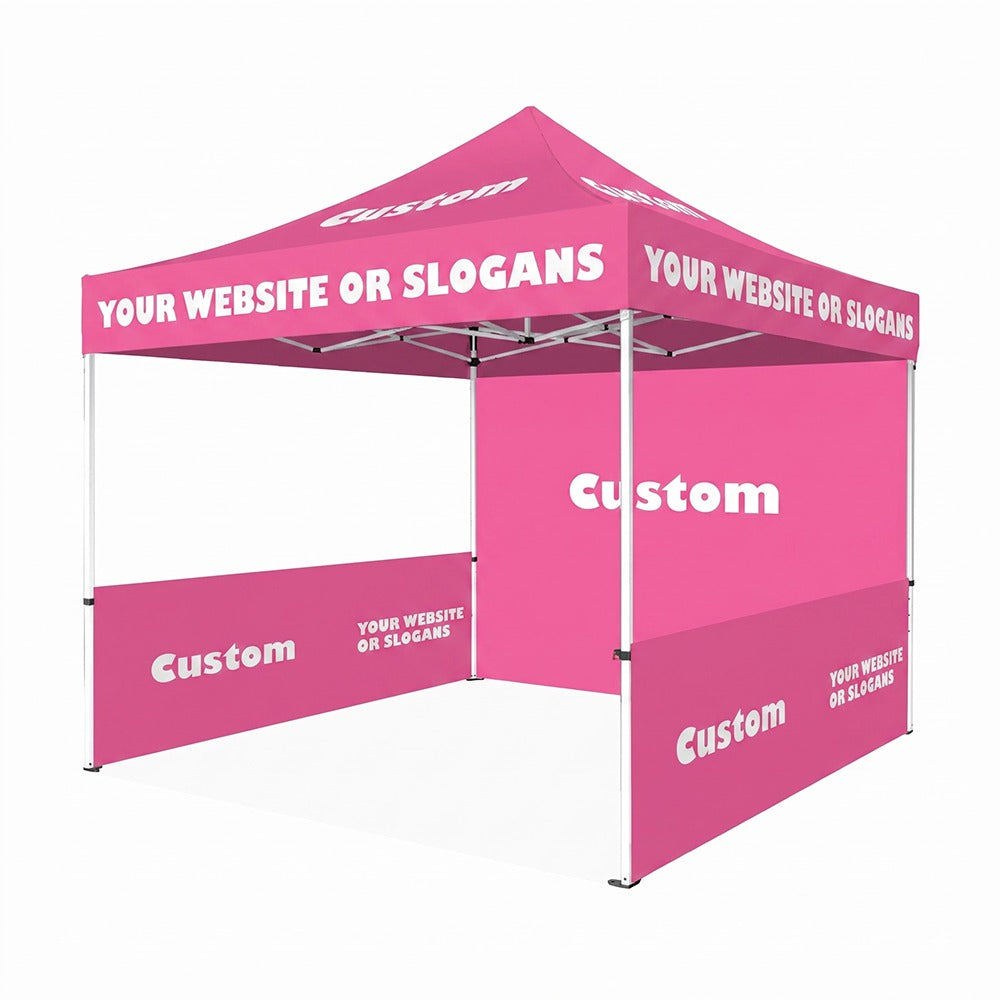
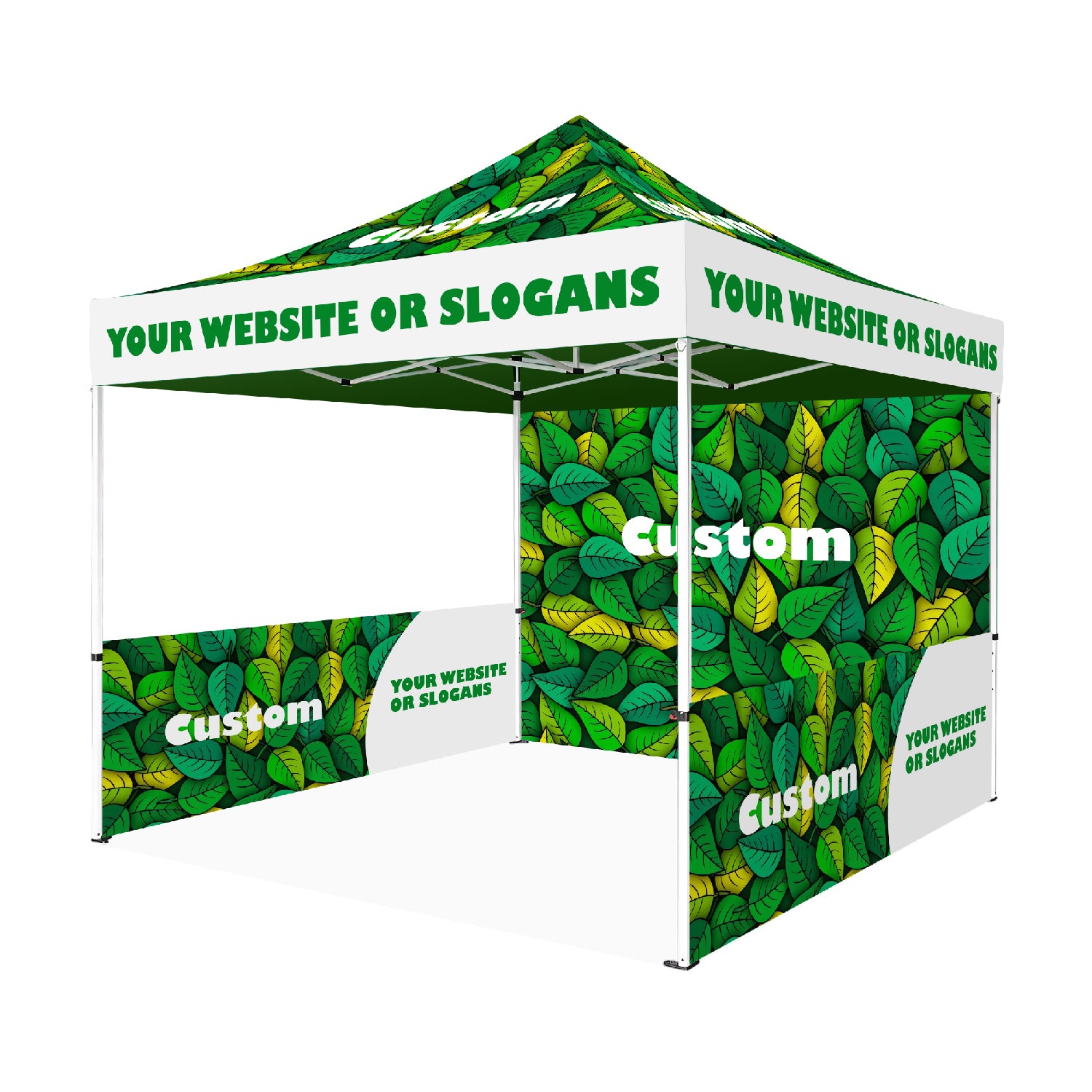
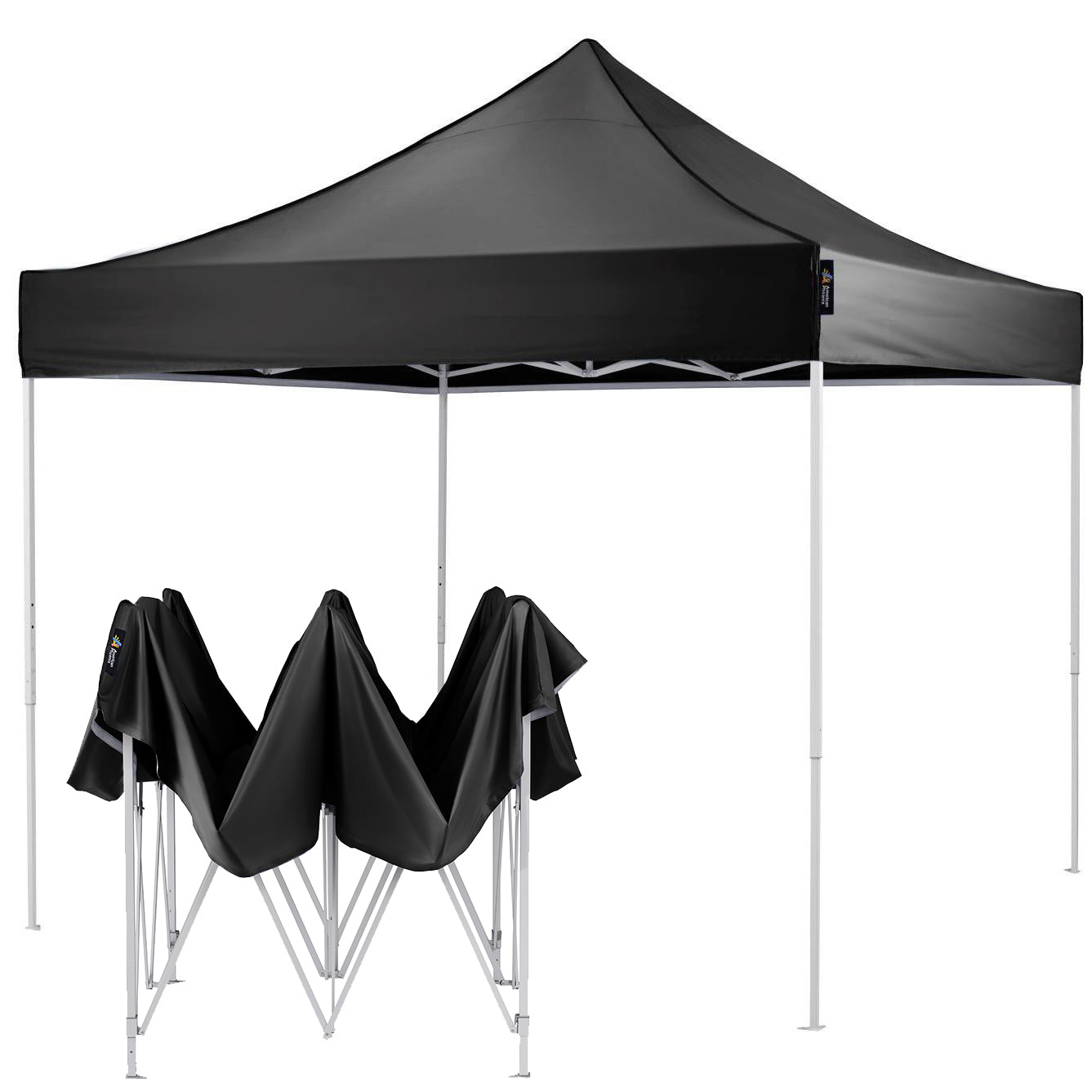
Our 10x10 collection covers more than one type of setup. Choose a standard colored pop-up canopy, build a branded booth with a custom 10x10 canopy, add compatible sidewalls or replace an existing American Phoenix top without buying another complete frame.
Why 10x10 Is a Go-To Size for Vendor Booths
Many markets, fairs and outdoor events organize booth space around 10-foot sections, which is one reason the 10x10 vendor canopy has become such a familiar format.
It gives sellers enough space to create a working booth while keeping neighboring vendors in predictable footprints.
For the vendor, 100 square feet is large enough to make layout decisions that are not possible in a 5x5. You can decide whether customers stay outside the tent, step inside to browse, or move around a display positioned along several sides.
Still, check your event rules before arriving. Organizers may set requirements for:
-
Maximum footprint
-
Canopy placement
-
Sidewalls
-
Aisle clearance
-
Securing or weighting the tent
-
Permitted canopy colors
-
Overnight setup
A 10x10 label tells you the size of the tent. It does not override the rules of the market or venue where you plan to use it.
How to Lay Out a 10x10 Booth Interior
A 10x10 gives you 100 square feet. How much of that customers can actually use depends on where you put the tables, inventory and staff.
Start with the way customers will interact with the booth.
Open-Front Retail Layout
For products that customers need to browse, keep the front of the canopy open and move displays toward the sides and back.
This gives people a clear path into the booth instead of creating a wall of tables across the entrance.
An open-front layout works well for:
-
Apparel
-
Crafts
-
Accessories
-
Packaged products
-
Artwork
-
Small retail merchandise
The trade-off is that customers enter your working space. Keep boxes and backup inventory behind the main display or under tables so the interior does not become crowded.
Counter-Service Layout
If customers do not need to walk inside, a table across the front can turn the canopy into a counter-service booth.
This arrangement works well for:
-
Registration
-
Ticketing
-
Sampling
-
Information booths
-
Product pickup
-
Service-based vendors
The customer stays outside while staff use the 100-square-foot area behind the counter for products, equipment and storage.
For busy booths, think about where a line will form before setup begins. The canopy may fit perfectly while the queue ends up blocking the vendor next door.
U-Shaped Browsing Layout
A U-shaped layout places products along the back and both sides while leaving the front open.
It creates a larger display perimeter within the same 10x10 footprint and can work well for products people want to stop and examine.
The cost is interior room. Once tables occupy three sides, the center aisle becomes smaller, especially when several shoppers enter at once.
Use this layout when display space matters more than fast customer flow.
Sidewall Configurations for a 10x10 Canopy
Our standard 10x10 pop up canopy has hook-and-loop attachment along the underside of the canopy for compatible sidewalls.
Sidewalls are not included with the standard 10x10 canopy package. They can be added separately when the setup needs more coverage or a more defined booth.
You do not always need four walls.
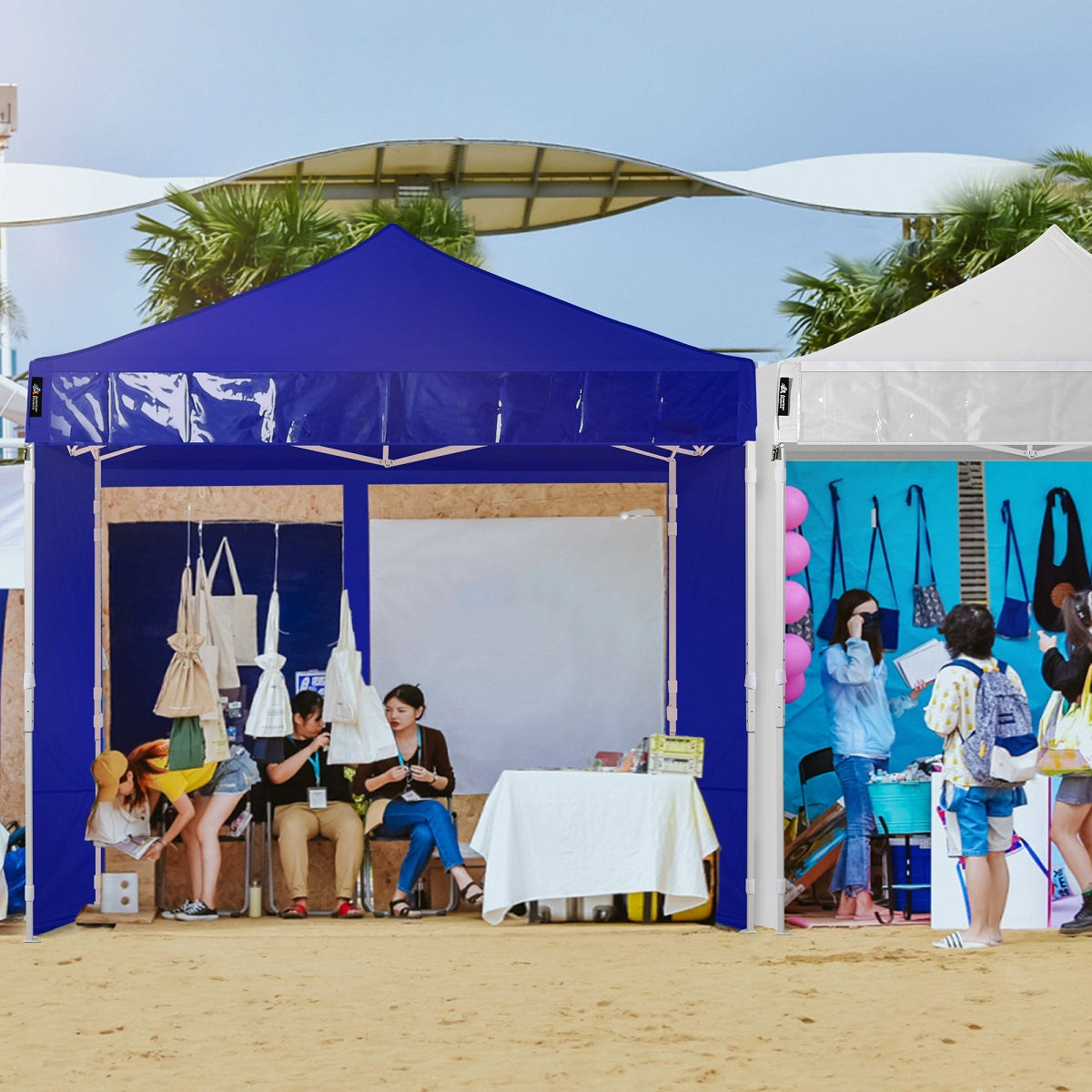
A single rear wall can give a retail booth a clean backdrop while leaving three sides accessible. Adding side walls can create more separation from neighboring booths. For a branded setup, custom wall configurations can also extend your graphics below the canopy roof.
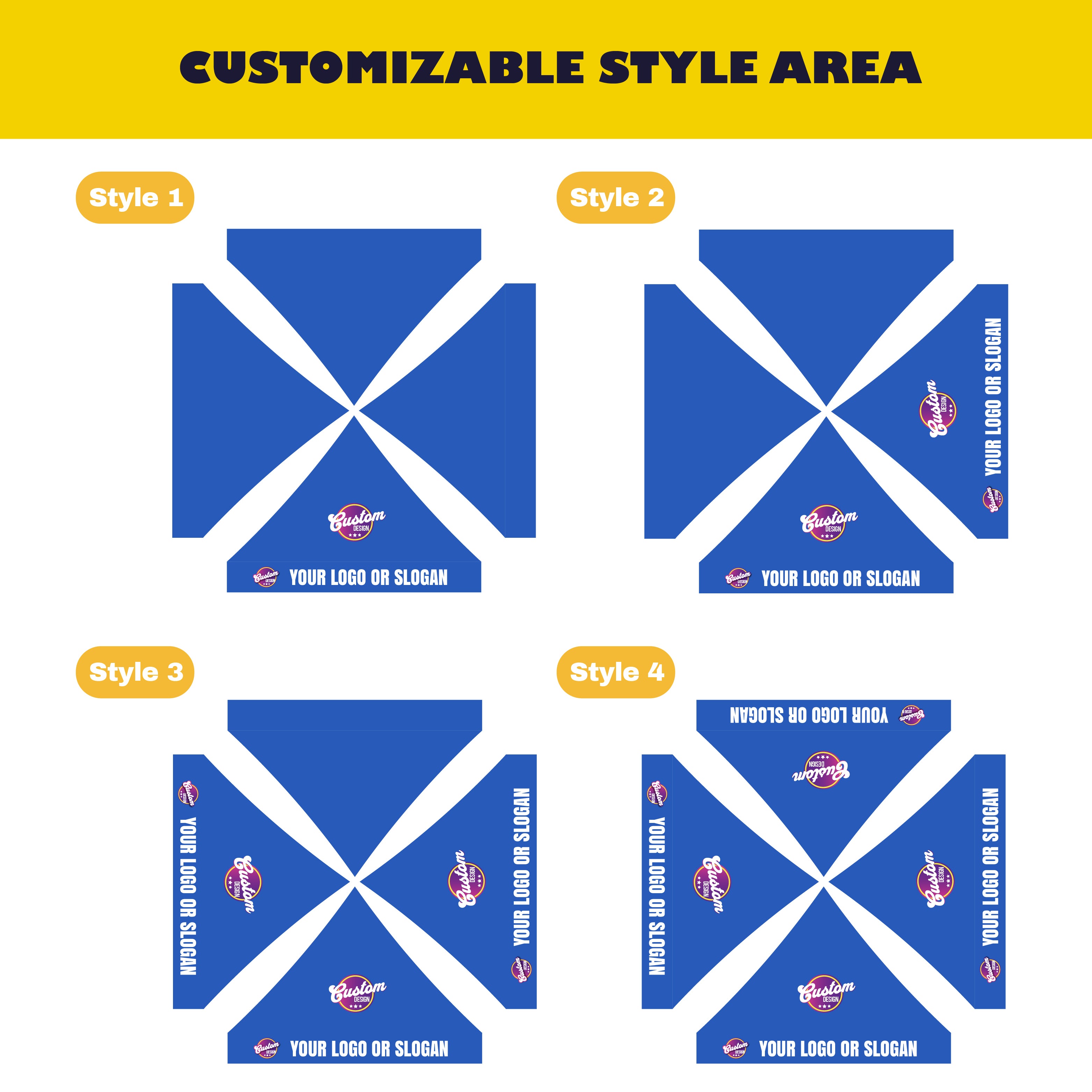
Our custom 10x10 options include different wall configurations, making it possible to build the booth around the way customers actually interact with your business.
When adding walls, remember that more enclosure also changes airflow, visibility and traffic. At a busy market, an open front may be more useful than closing every available side.
Choosing the Right 10x10 Canopy Frame
Do not choose a frame based only on words such as “commercial” or “heavy duty.” Look at how it is actually built.
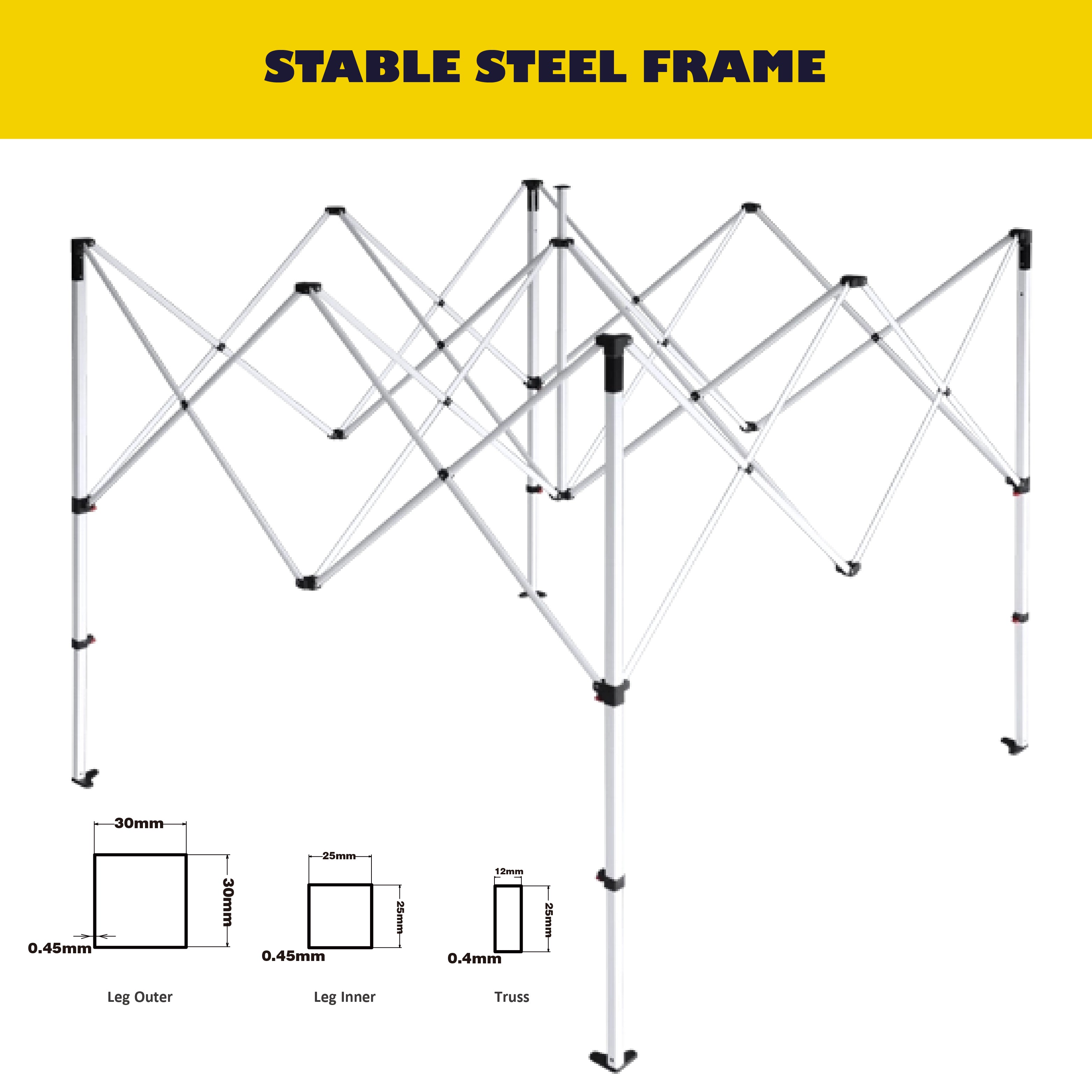
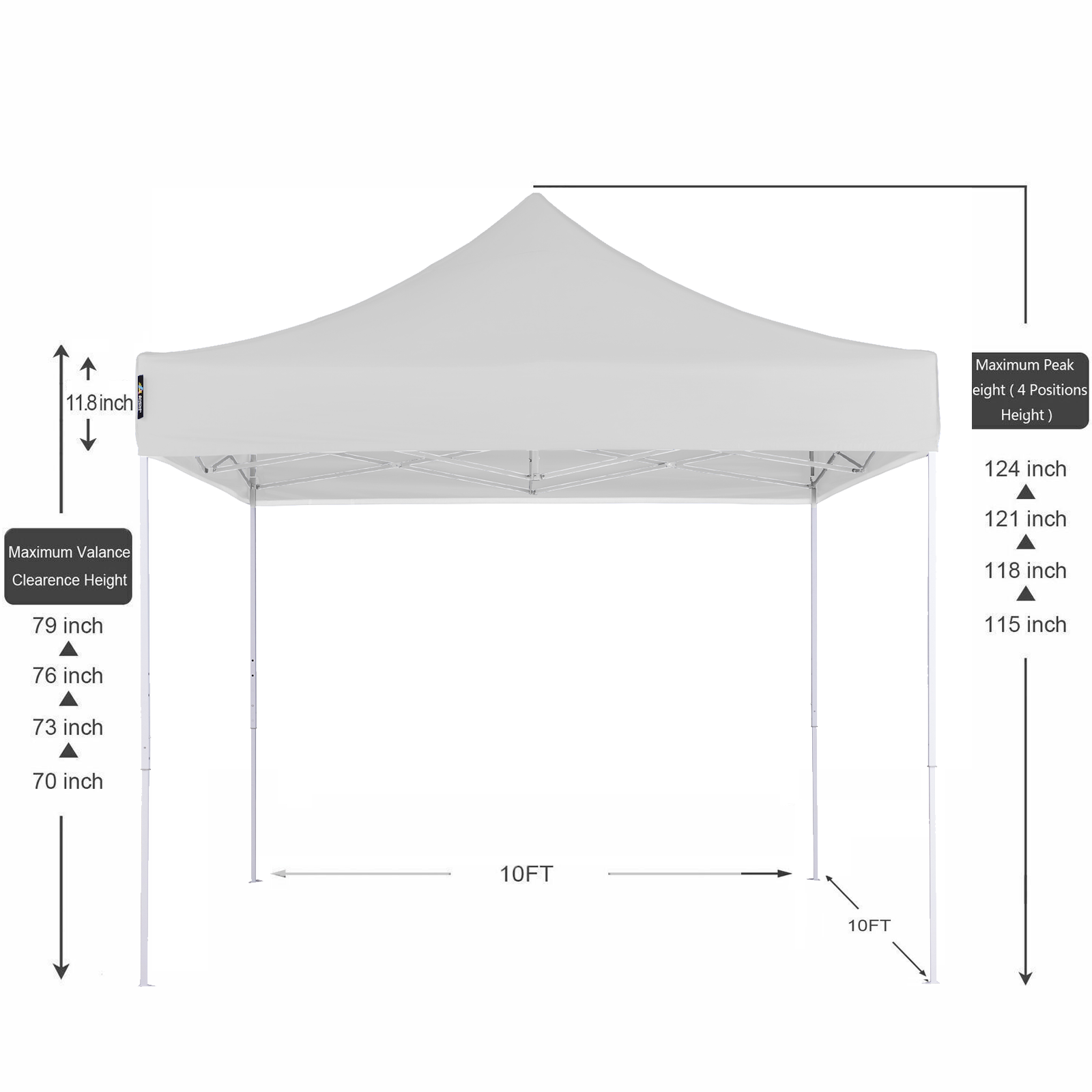
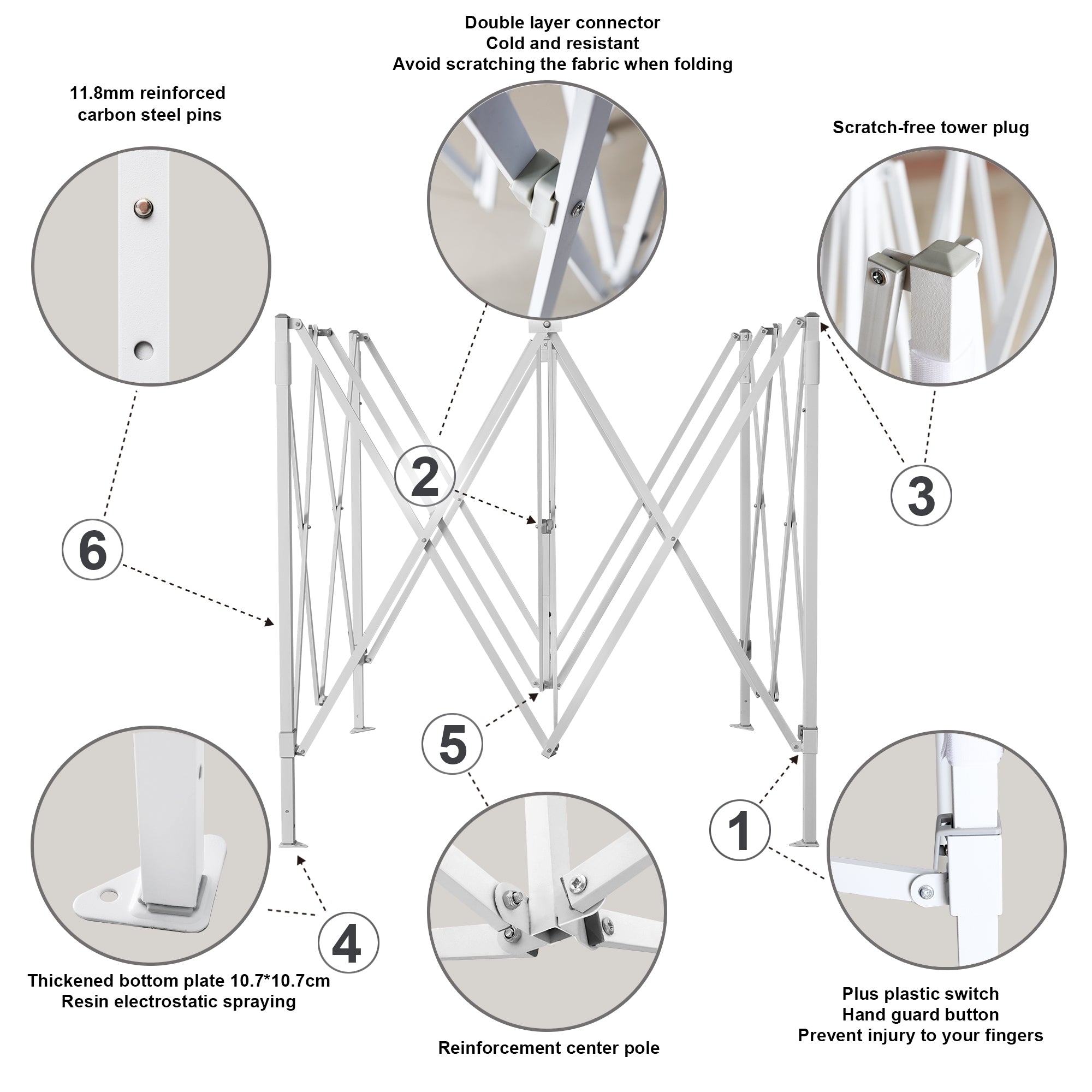
Our standard 10x10 canopy uses a steel frame with square legs and a full-truss structure. The frame is powder coated for rust and corrosion resistance and uses a reinforced center pole.
Push-button adjustment at the legs provides four height settings, with listed maximum peak-height positions of approximately:
-
9.5 ft.
-
9.8 ft.
-
10.1 ft.
-
10.3 ft.
That gives you flexibility to adjust the setup based on how the tent will be used.
For occasional outdoor use, ease of handling may be a bigger priority. For weekly markets, fairs and repeated commercial use, pay more attention to frame construction, truss support and how frequently the tent will be opened, moved and packed away.
420D PU-Coated Canopy Fabric
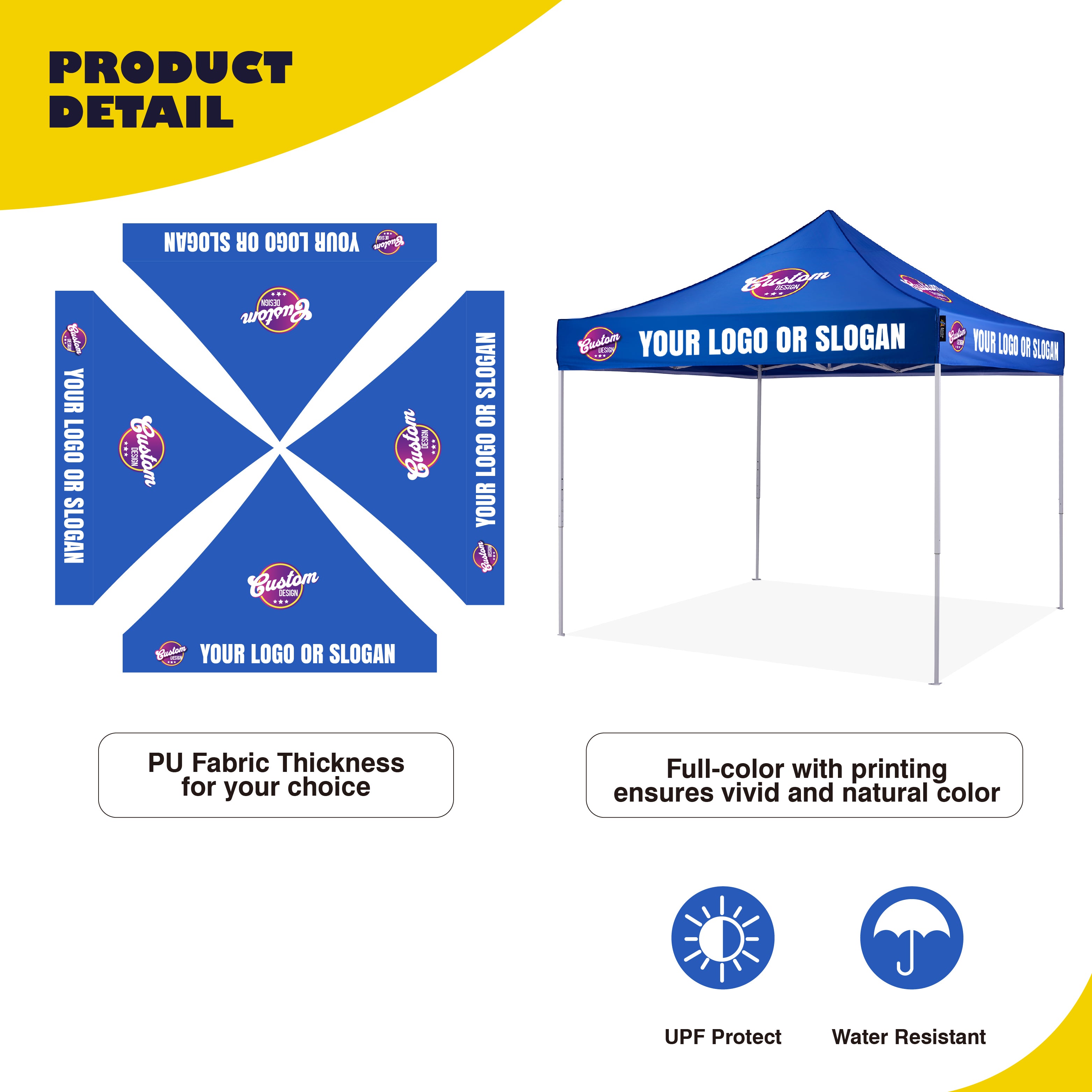
The standard 10x10 canopy uses 420D polyester fabric with a PU coating.
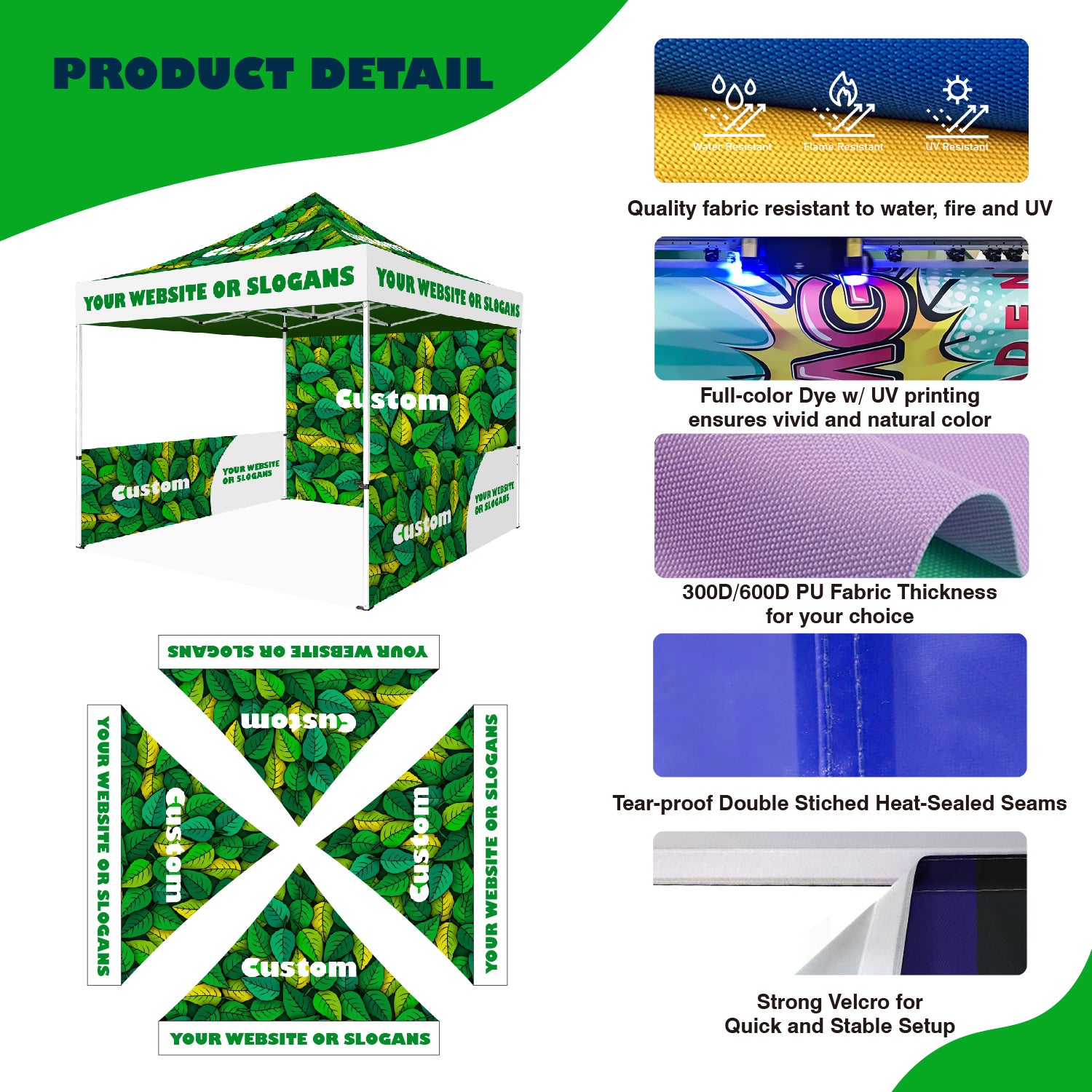
The fabric is designed to block about 99% of the sun's rays, and the seams are sealed to reduce water seepage through the stitched areas.
That makes it suitable for temporary outdoor setups where shade and protection from changing conditions matter.
It is more accurate to describe this canopy as water-resistant rather than completely waterproof. Like any temporary pop-up structure, it should not be treated as permanent weather protection or left standing in unsafe conditions.
The canopy also includes hook-and-loop attachment underneath for compatible sidewalls.
Where a 10x10 Canopy Tent Earns Its Keep
A 10x10 works because it sits in the middle: enough room to operate a real booth, but still compact enough for common event layouts.
Farmers Markets and Craft Fairs
For a weekly seller, the tent is part storefront and part working space.
A farmers market canopy may need to cover tables, product, payment equipment and the seller while staying inside the assigned footprint.
A 10x10 gives you enough room to choose between a front-counter setup and a walk-in retail layout. That flexibility is useful when different products require different booth arrangements.
Our standard 10x10 also gives you the option to add sidewalls separately when a rear or side barrier is useful.
Trade Shows and Branded Event Booths
A plain canopy works when you need a neutral setup.
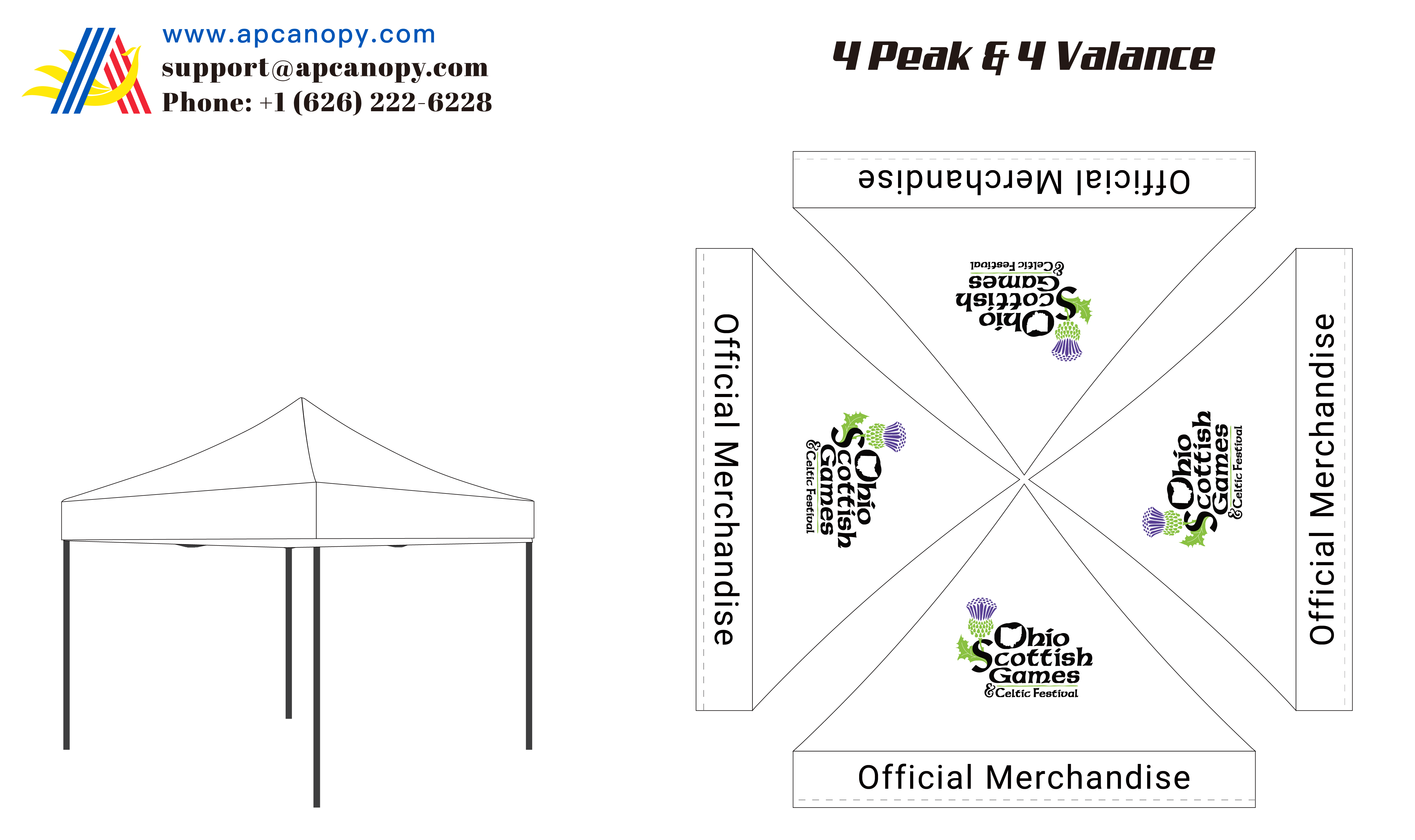
When the booth needs to represent the business before a visitor reaches the table, use a custom printed 10x10 canopy.
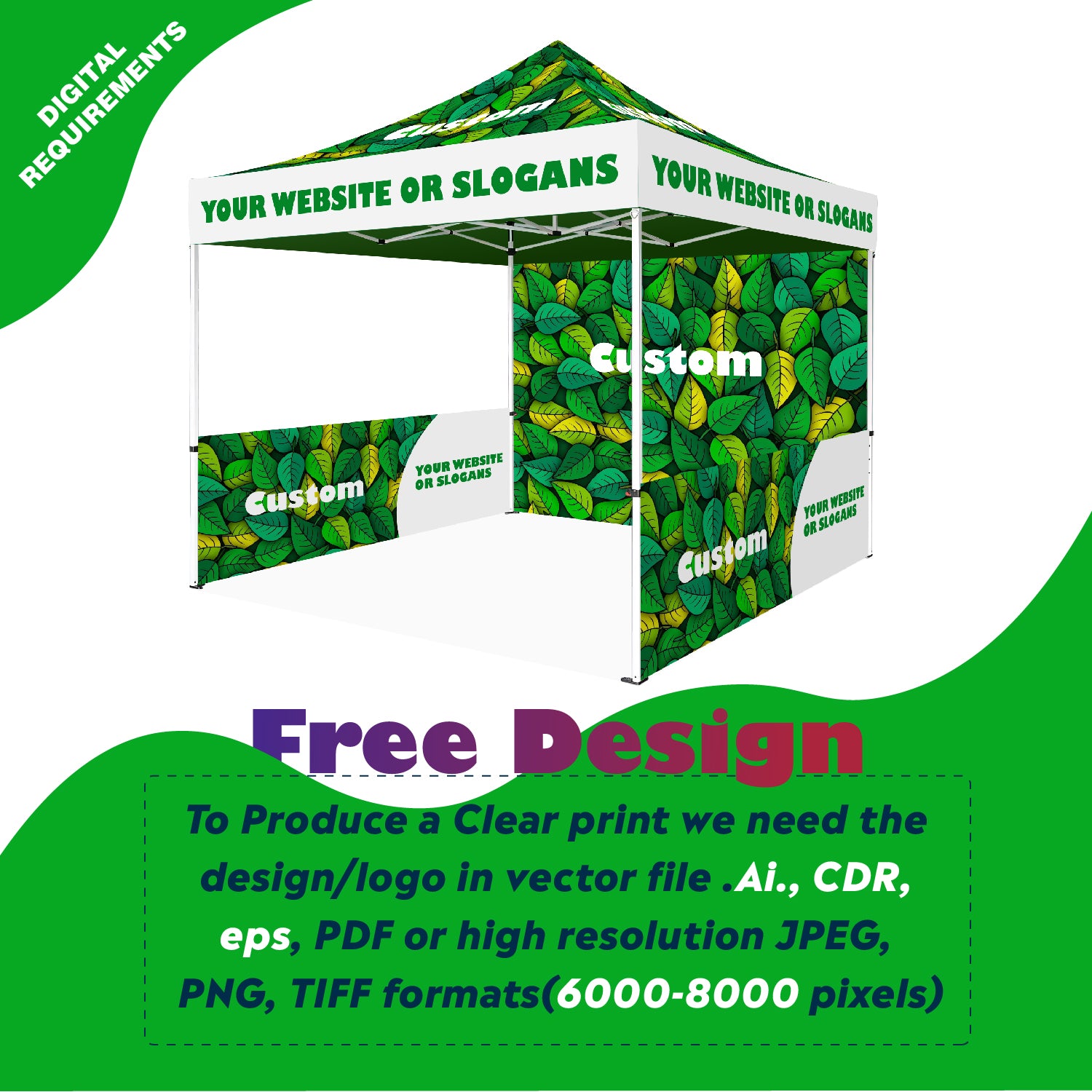
Custom 10x10 options let you move the logo, brand colors and messaging onto the canopy itself. Depending on the configuration, branding can extend beyond the roof into the wall setup as well.
For companies that use the same booth repeatedly, that turns the tent into part of the event identity rather than simply something placed over the display.
You can also browse our full custom canopy tent collection when you need to compare 10x10 with other branded sizes.
Youth Sports, Tournaments and Team Events
A 100-square-foot canopy can give a team a defined spot for people, bags, equipment or event operations.
The 10x10 footprint offers significantly more working room than a compact 5x5 while remaining easier to place than a long-format canopy.
For team branding, a custom version can carry the team logo and colors. For general shade and event use, a standard colored canopy keeps the setup simple.
Pop-Up Retail and Mobile Services
A business does not need a permanent storefront to create a defined customer-facing space.
A 10x10 can work for:
-
Parking-lot promotions
-
Product demonstrations
-
Outdoor service stations
-
Registration booths
-
Community events
-
Temporary retail
-
School and campus activities
Because the footprint is square, it is also easy to rethink the interior from one event to another without changing the tent itself.
Accessories and Replacement Parts for a 10x10 Canopy
A useful canopy is easier to keep in service when you can replace or add individual parts instead of treating the whole setup as disposable.
Our 10x10 collection includes options such as:
-
Replacement canopy tops
-
Sidewalls
-
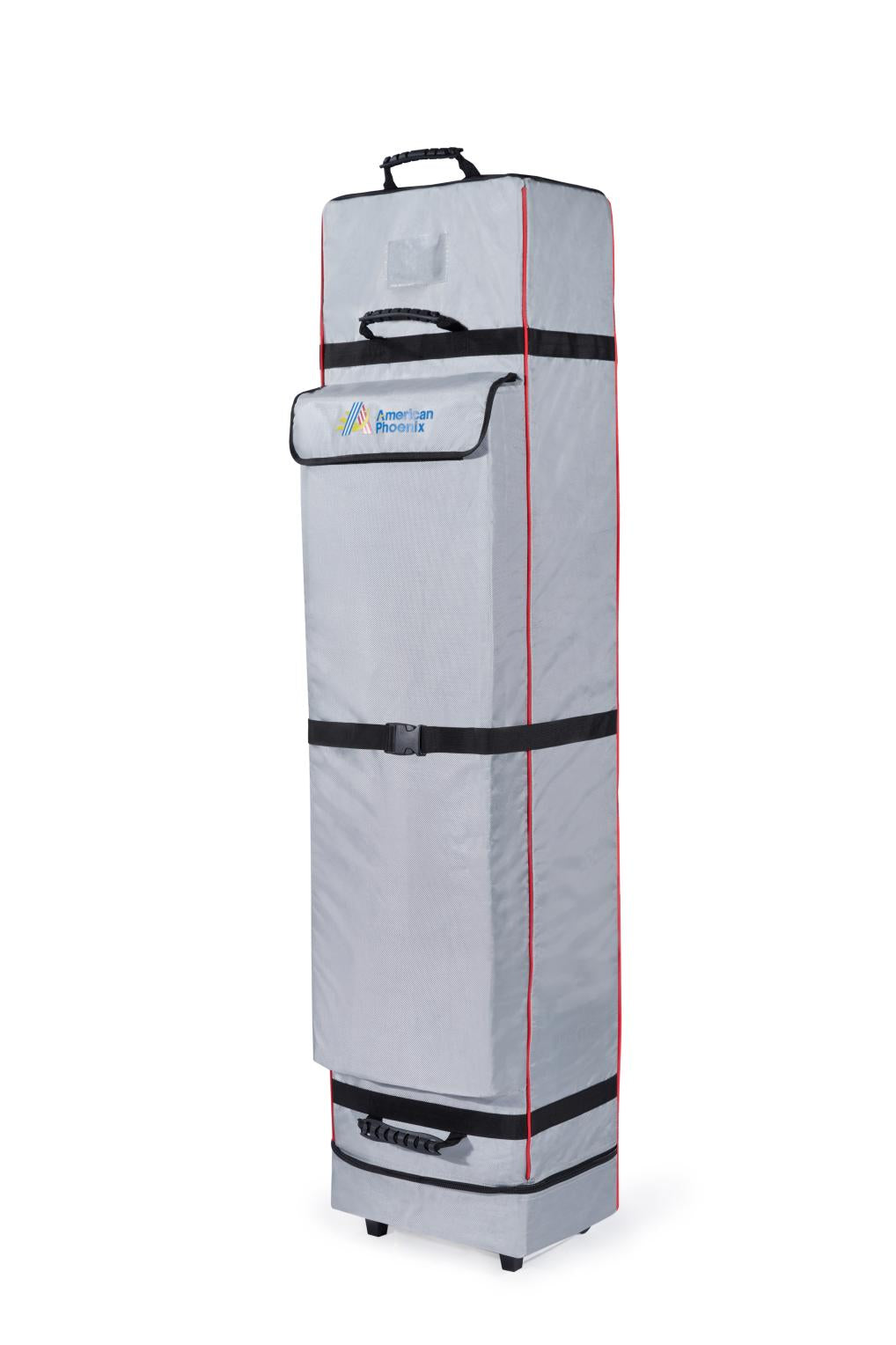
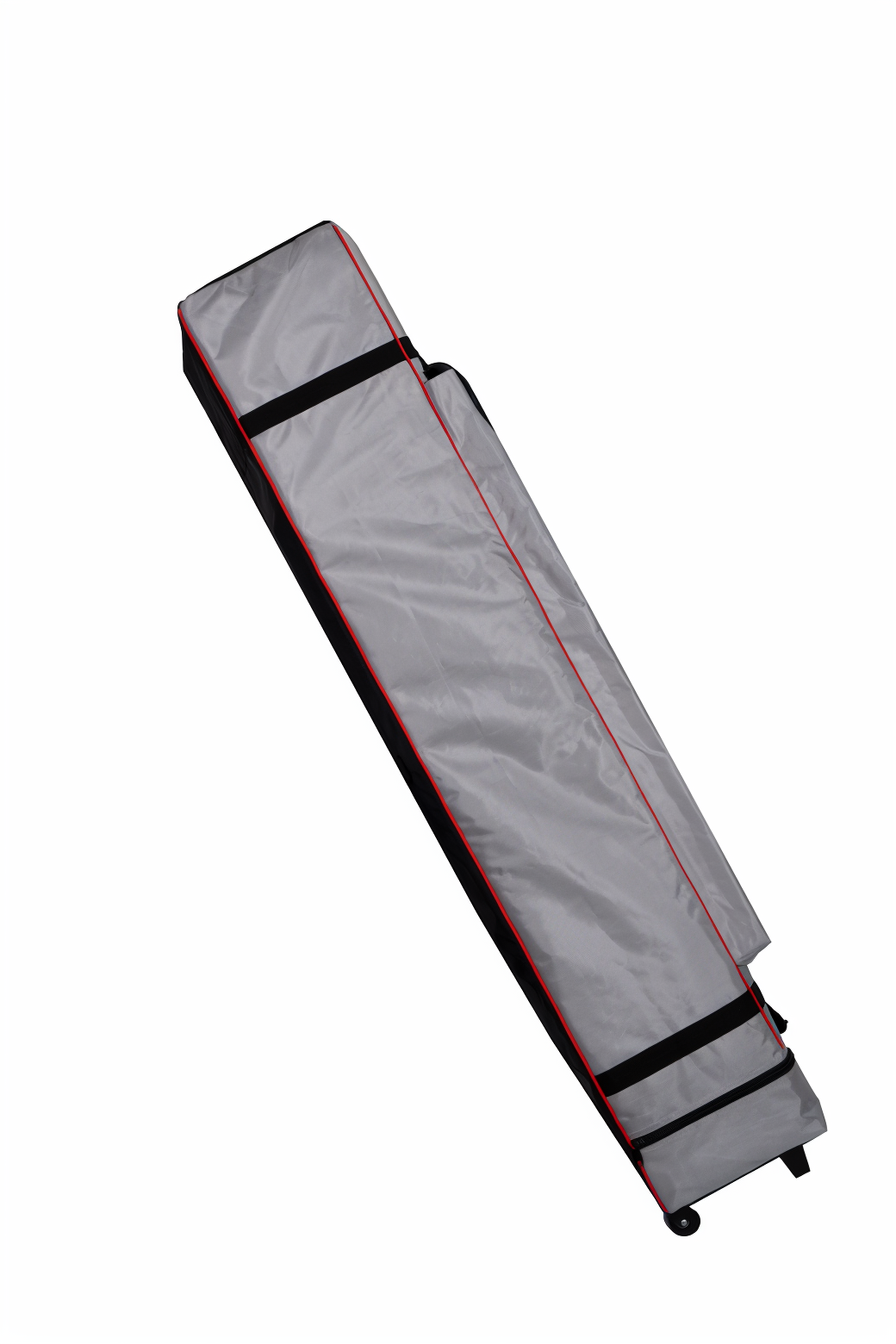
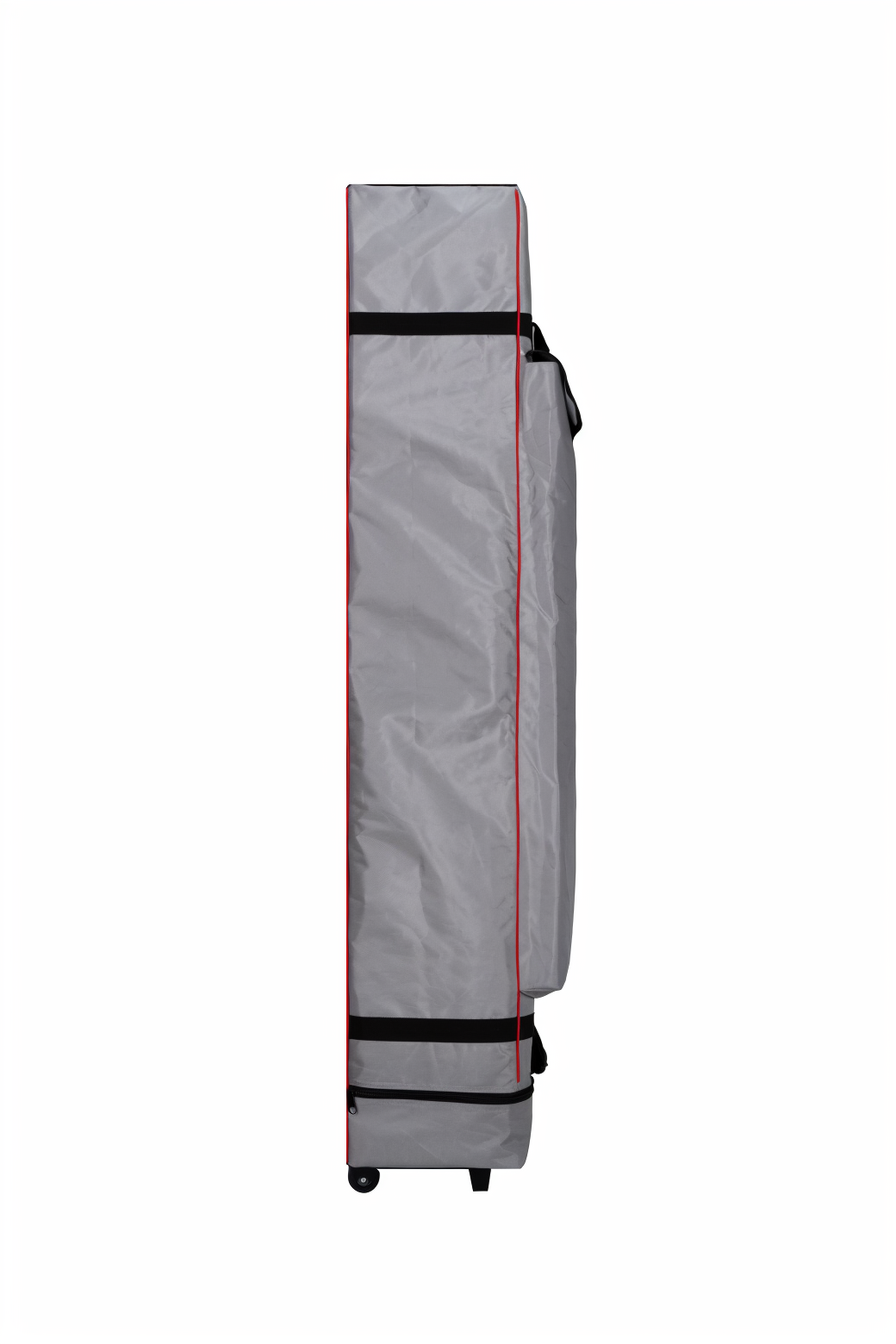
Roller carry bags
-
Custom printed tops and wall configurations
-
Complete 10x10 canopy tents
If the frame is still in good condition but the fabric needs replacing, our 10x10 replacement canopy top lets you replace the top without buying another complete tent.
The replacement top is made for American Phoenix straight-leg 10x10 canopies. Do not assume that every top labeled 10x10 will fit every manufacturer's frame.
If you need walls, compatible 10x10 sidewalls are available separately rather than being included with the standard canopy package.
Connecting Two 10x10 Canopies Into a Larger Space
Two 10x10 canopies placed side by side create a combined 200-square-foot footprint, the same total ground area as a 10x20.
The advantage is flexibility. You can use the tents separately at smaller events and bring them together when you need more room.
The disadvantage is the join between them.
Two separate canopy roofs do not automatically create one continuous weather-protected roof. Alignment matters, and rainwater can collect or pass through the gap between the structures if the connection is not managed correctly.
If you expect to need a 200-square-foot setup most of the time, a purpose-built 10x20 canopy may provide the cleaner layout. If your required footprint changes from event to event, two 10x10 tents give you more ways to divide the space.
White, Color or Custom Printed 10x10 Canopy?
The best canopy top depends on what the tent needs to communicate.
White 10x10 Canopy
White keeps the setup visually neutral and works well when:
-
The venue prefers a uniform appearance.
-
Products or signage need to provide the color.
-
The canopy serves several unrelated purposes.
-
Permanent branding is unnecessary.
Solid-Color Canopy
Our standard 10x10 canopy is available in multiple colors.
A solid-color top gives the setup more visual identity without committing to permanent printed artwork. This is useful for sports, events or businesses that want a recognizable color but still need the tent to work for different purposes.
Custom Printed 10x10 Canopy
If the tent consistently represents one business, team or organization, printing the brand directly onto it usually makes more sense.
Our 10x10 custom canopy with logo lets you add your branding to the canopy instead of depending only on signs underneath.
For more extensive branding, our custom graphics 10x10 canopy includes options for custom walls as well as printed canopy graphics.
Complete 10x10 Tent or Replacement Top?
Check what you actually need before adding the product to your cart.
Our standard complete 10x10 canopy includes:
-
10x10 pop-up frame
-
10x10 canopy top
A replacement canopy-top listing contains the top only.
This distinction matters if you are comparing prices. A $58 replacement top and a complete 10x10 tent are not two versions of the same package.
If you already own a compatible American Phoenix straight-leg frame, a replacement top may solve the problem without replacing the frame.
If you are building the setup from scratch, choose the complete tent.
Shop 10x10 Canopy Tents at AP Canopy
A 10x10 gives you 100 square feet to work with and enough flexibility to handle everything from a straightforward market booth to a fully branded event setup.
Choose a standard 10x10 pop-up canopy when you need a versatile colored tent. Add compatible sidewalls when the booth needs more separation. Replace the top when your existing American Phoenix frame still has plenty of life in it. Or move into a custom 10x10 when the canopy itself needs to carry your brand.
Shop our 10x10 canopy tent collection and build the setup around the way you actually plan to use the space.