
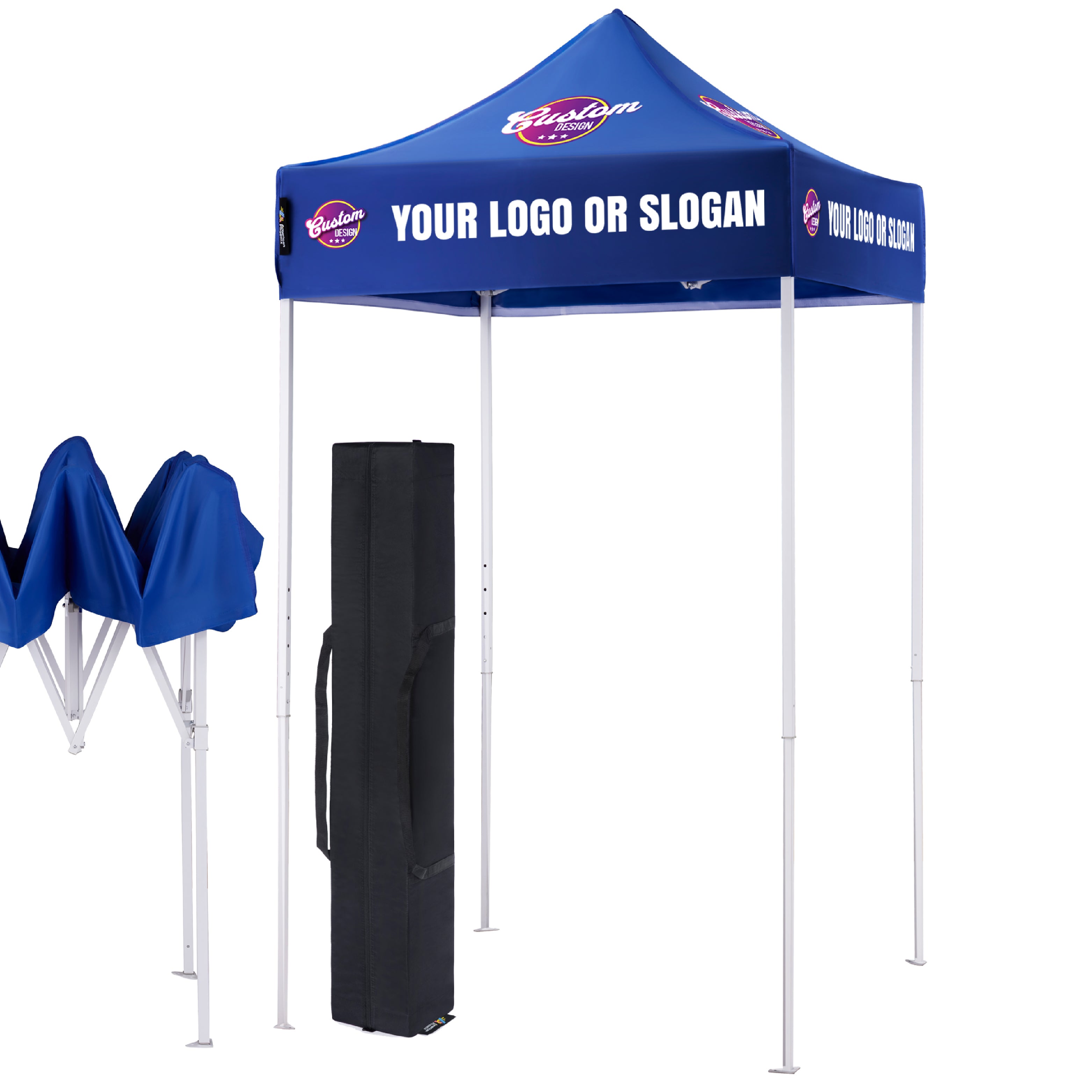
Custom Canopy Tent 5x5 with Logo
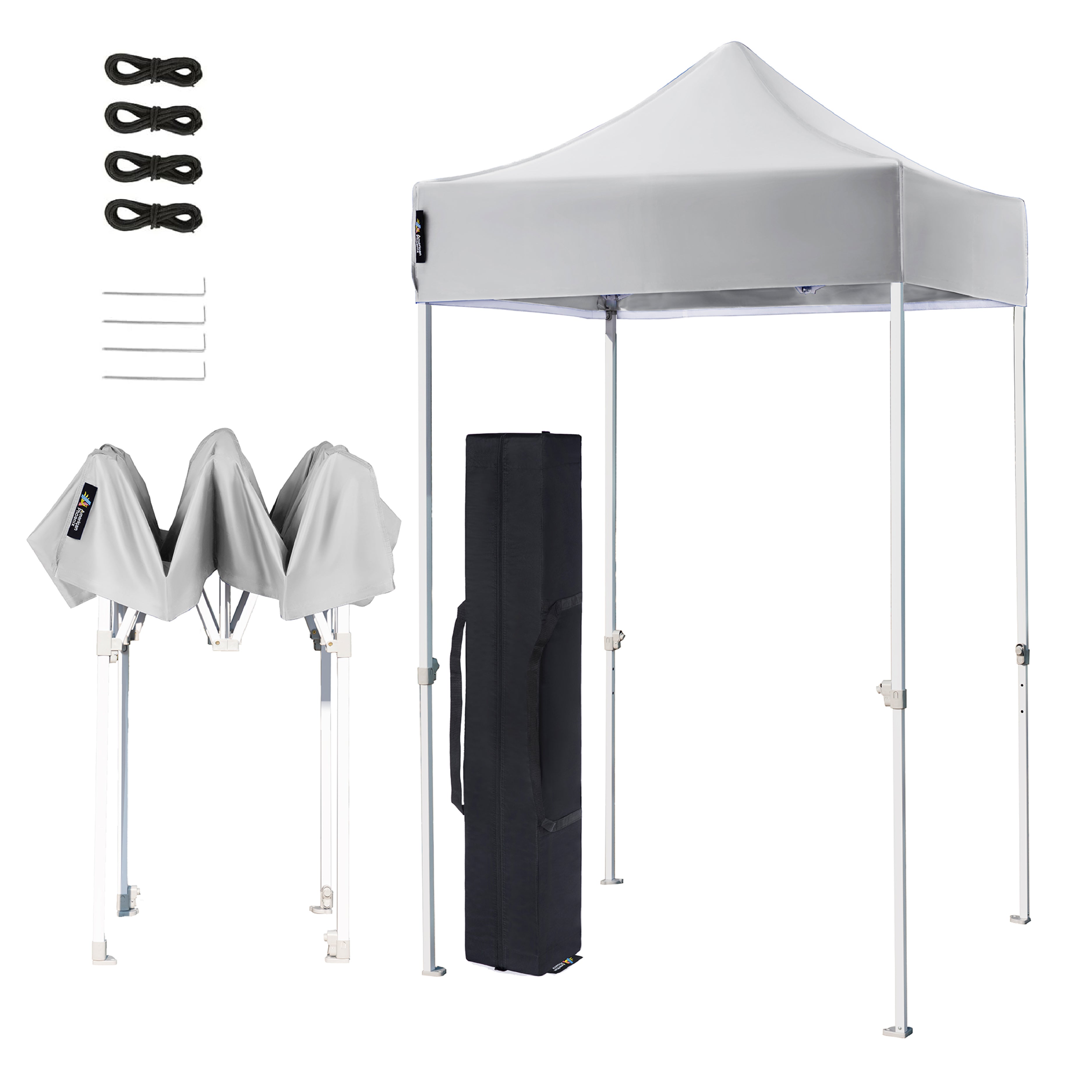
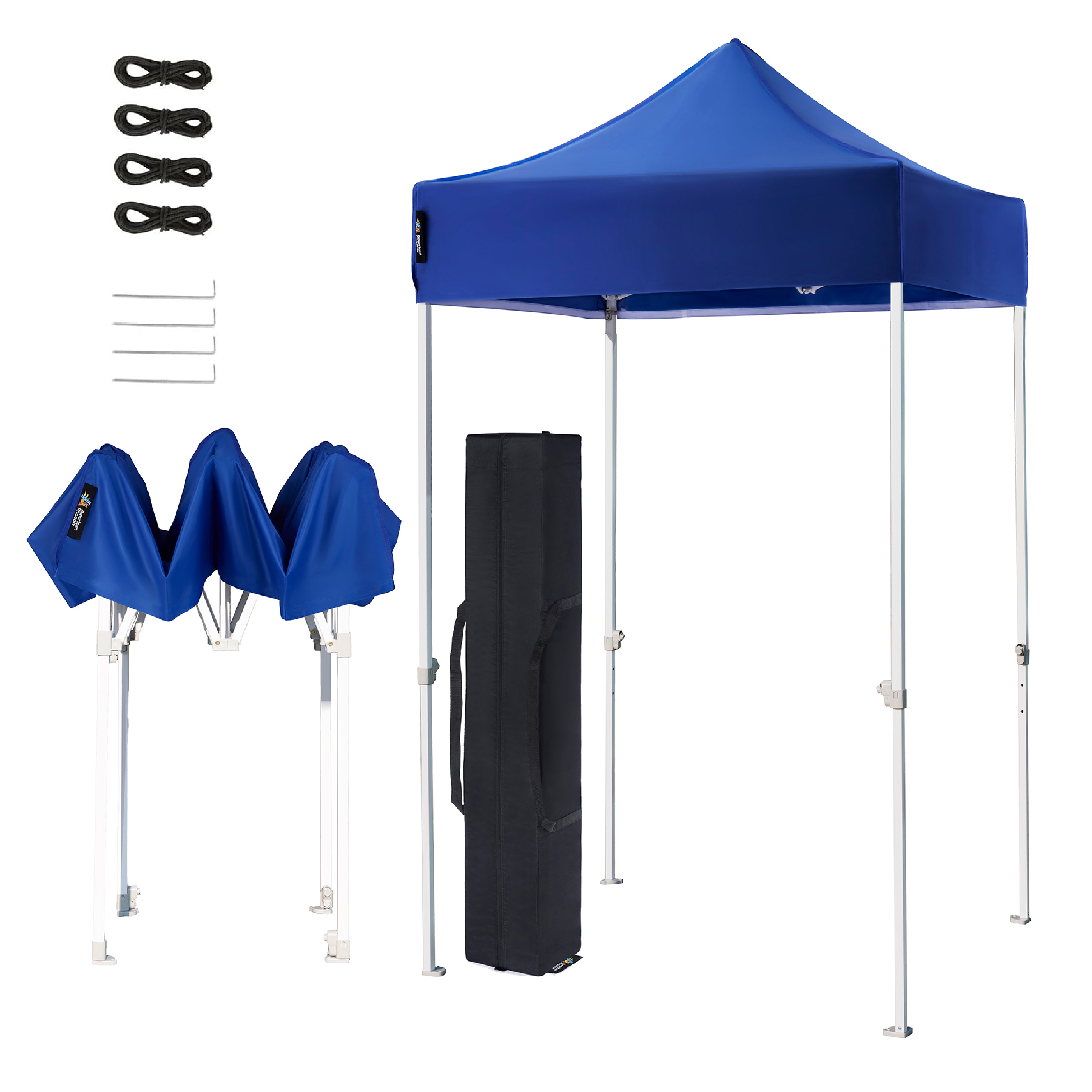
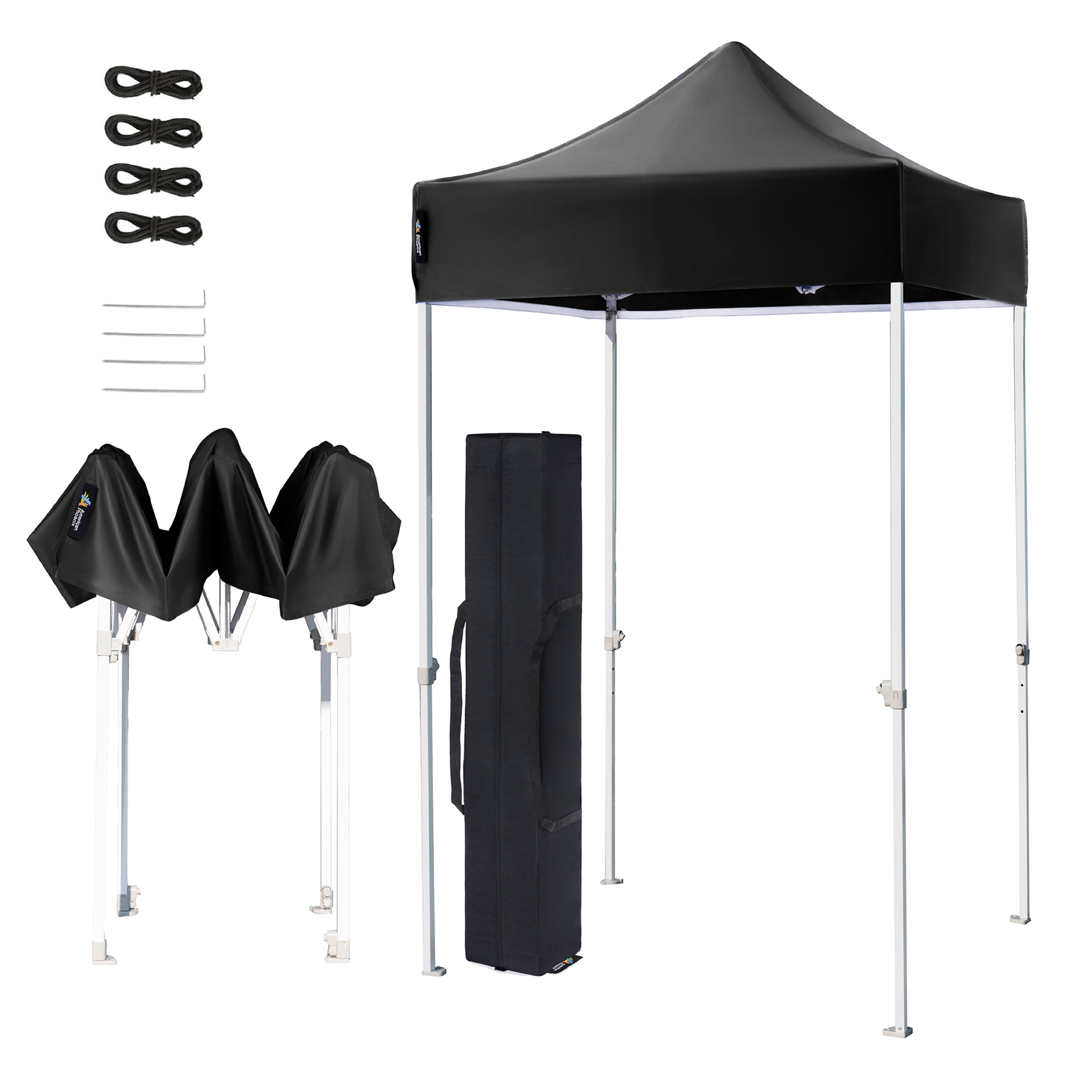
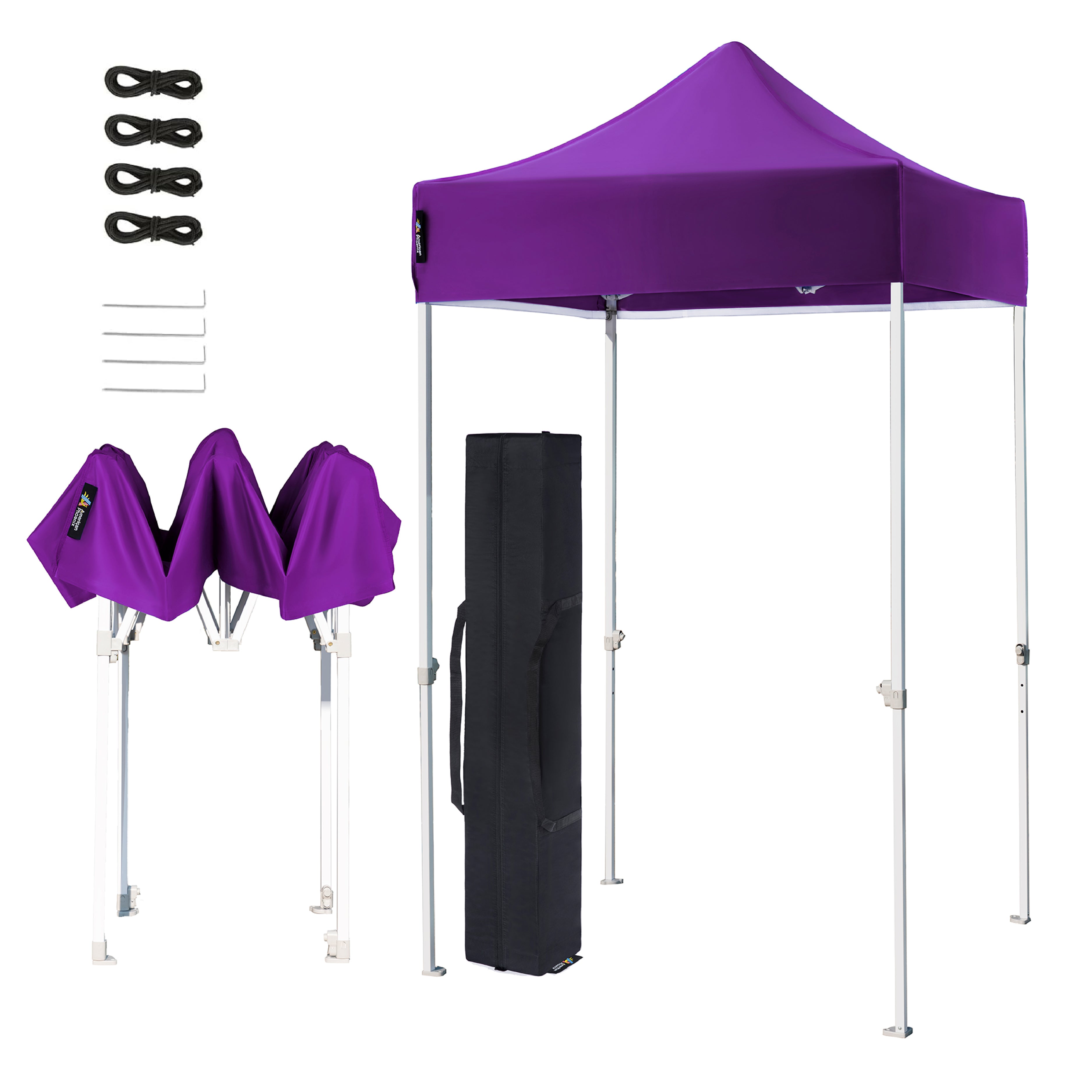
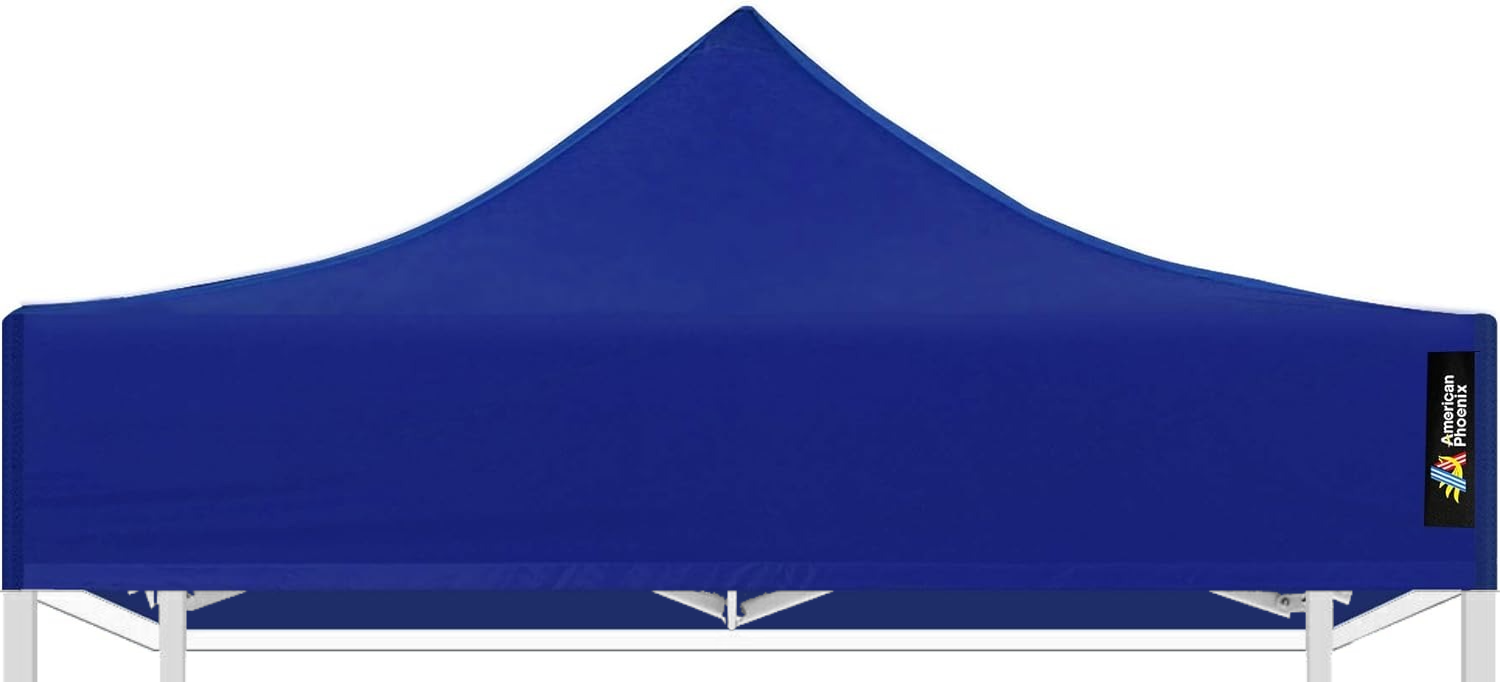
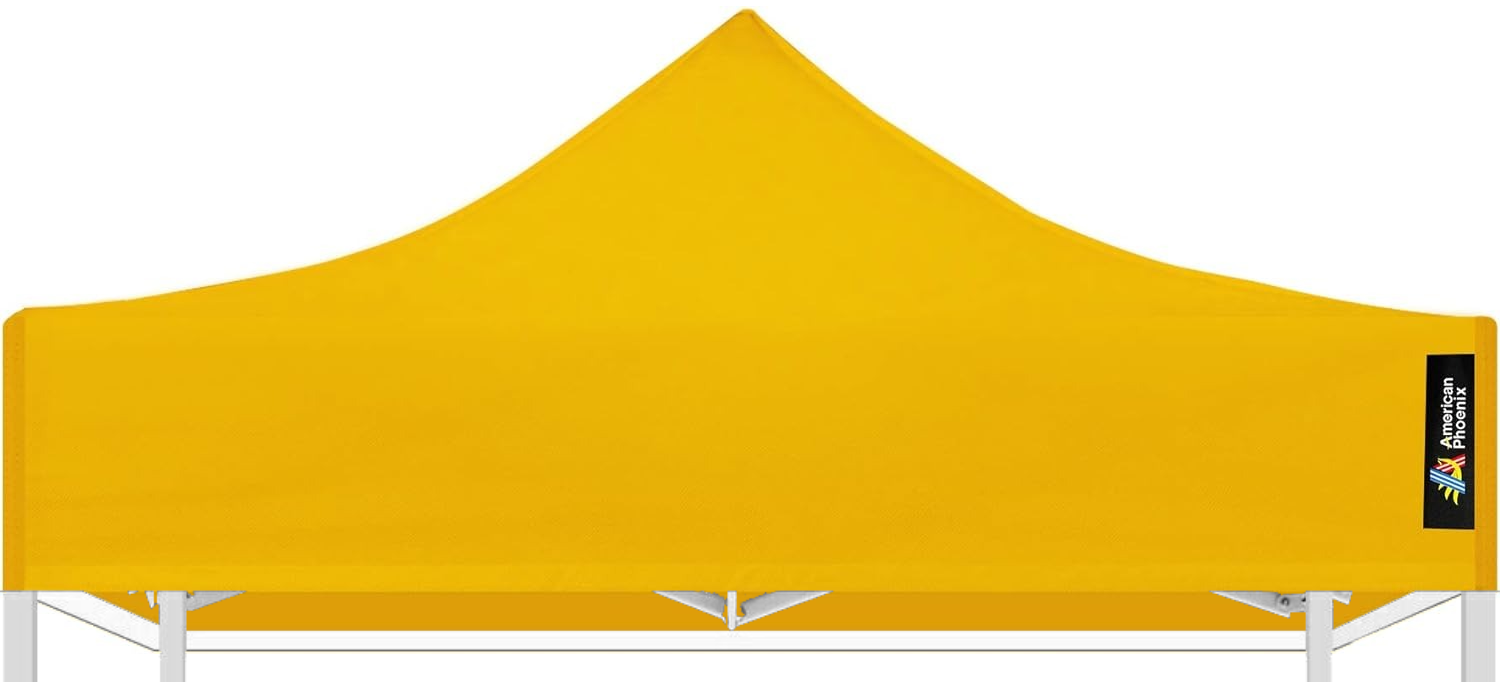
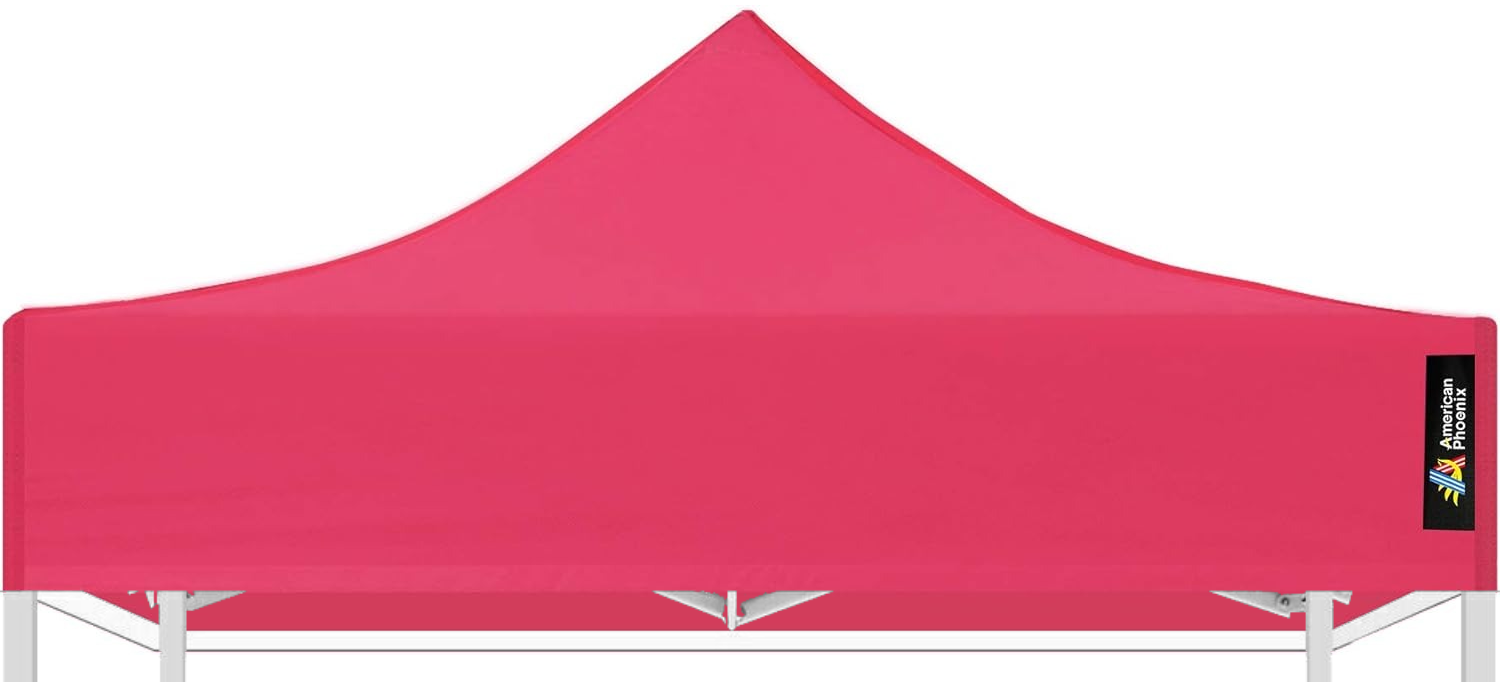
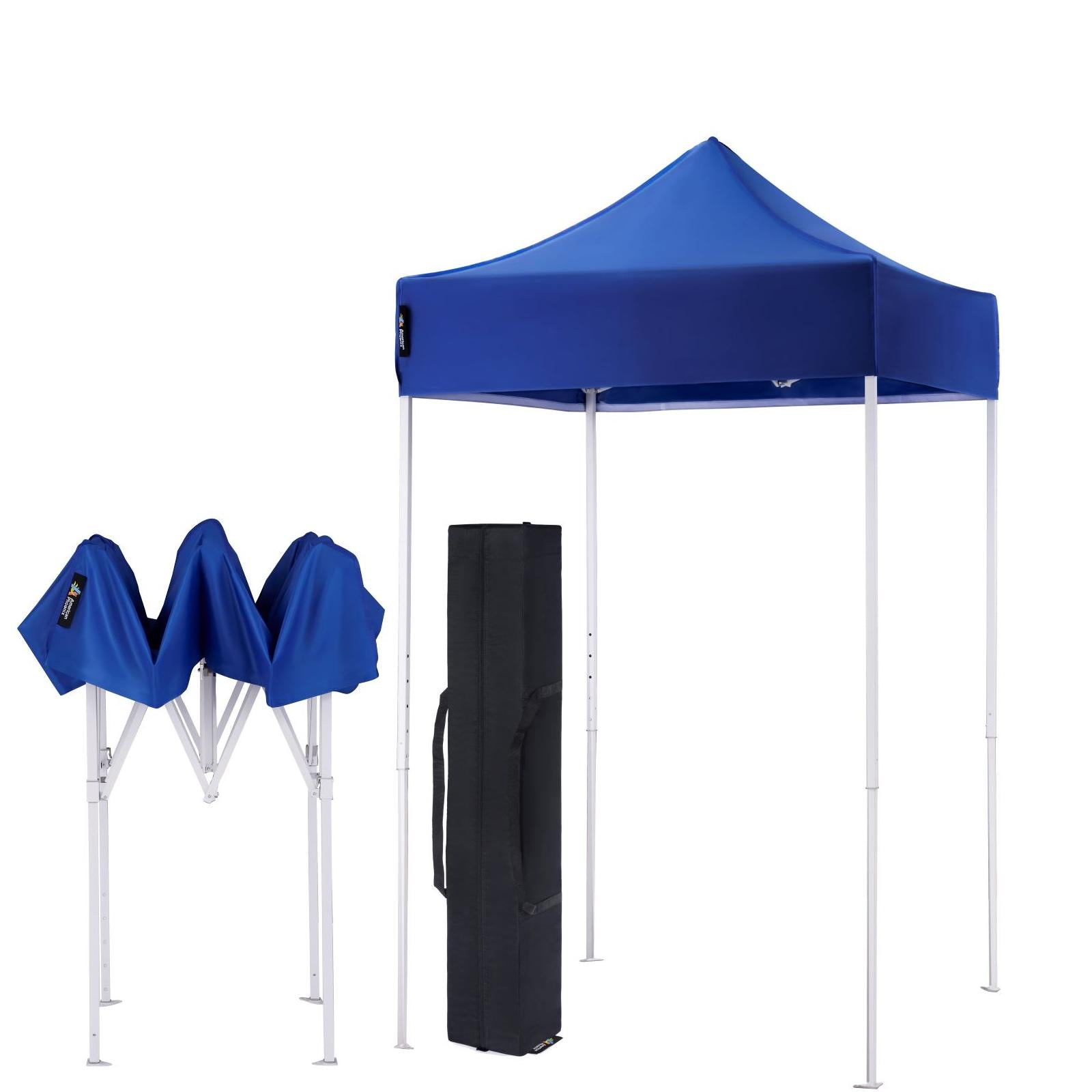
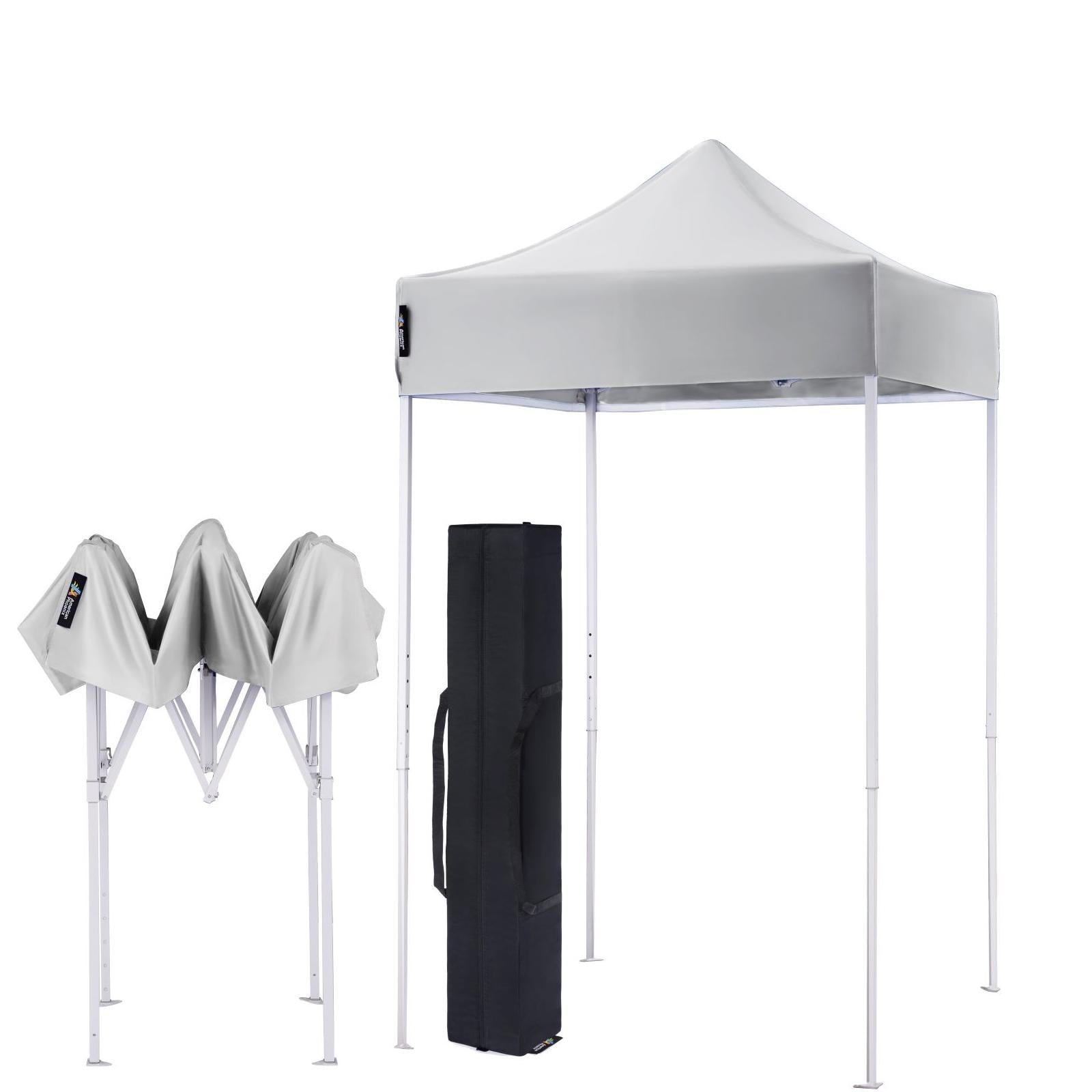
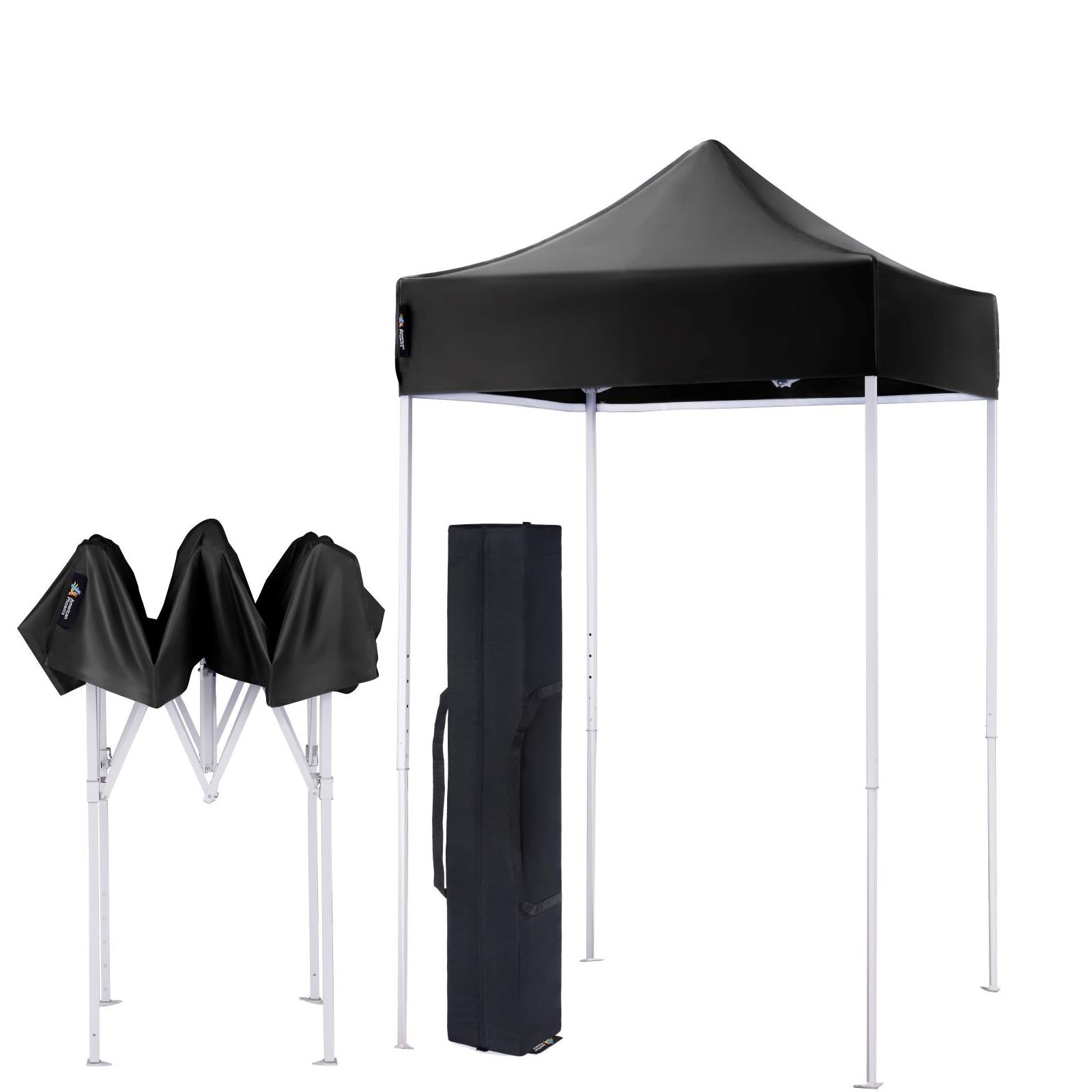


A bigger canopy is not always a better canopy.
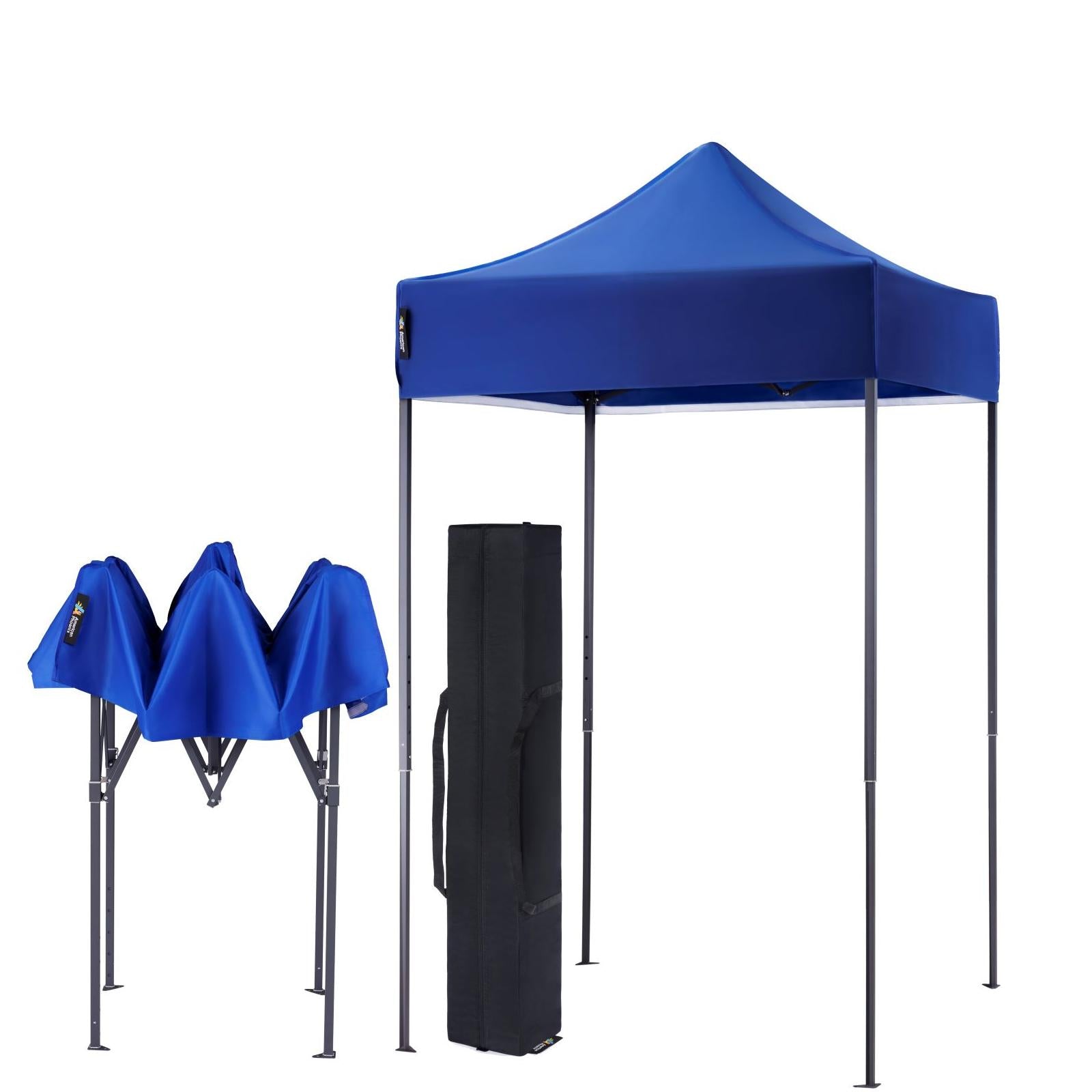
A 5x5 canopy tent gives you a compact 25-square-foot footprint for situations where a full 10x10 setup would take up more room than you actually need. It works best when the job is focused: a small vendor table, registration point, product display, team station or other setup where keeping the footprint controlled matters.
The key is knowing what 5x5 really means before you buy. It gives you one-quarter of the ground area of a 10x10 canopy, so it is intentionally small.
For the right setup, that is exactly the point.
What 25 Square Feet Actually Holds
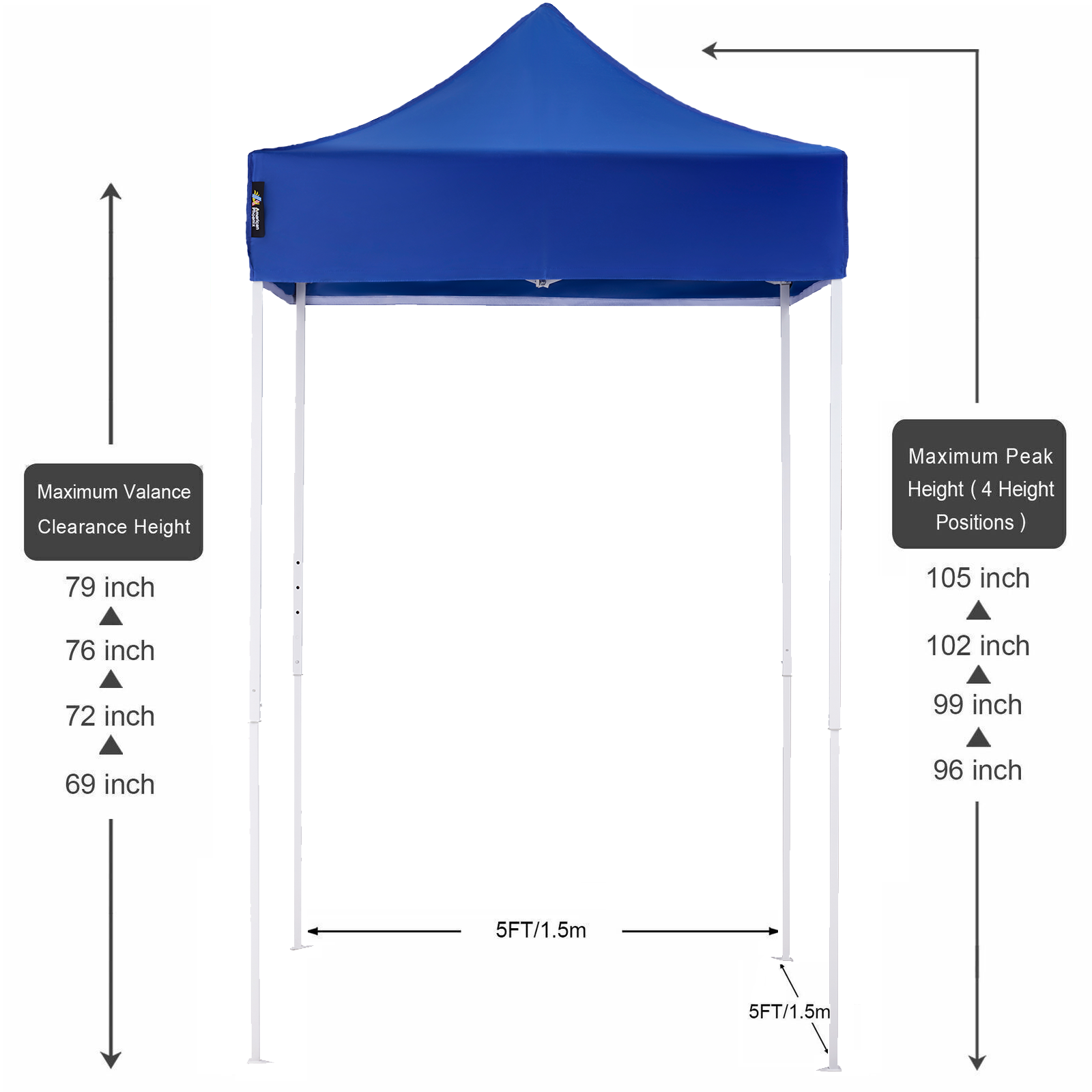
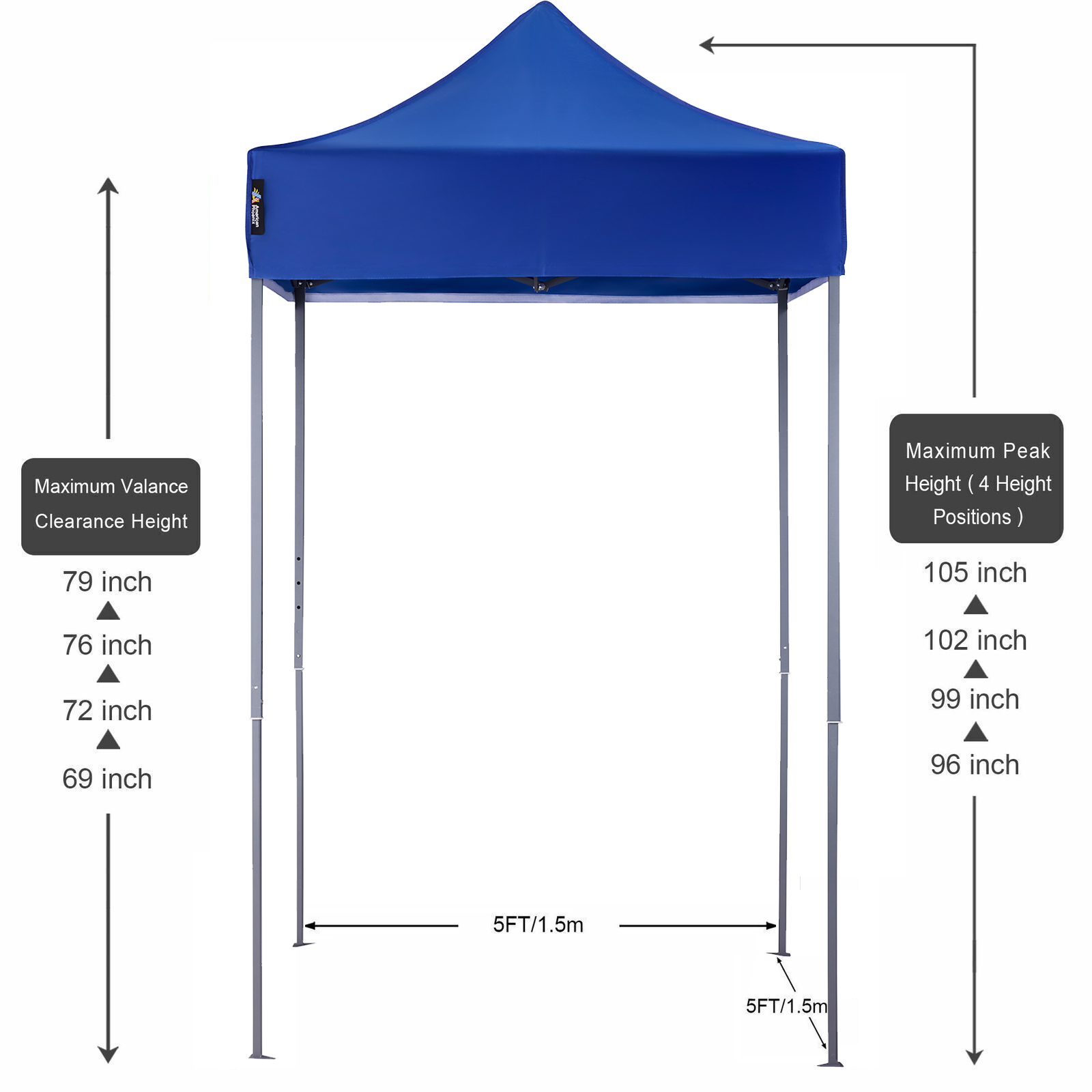
A 5x5 canopy gives you a 5-foot by 5-foot footprint, or 25 square feet of ground space.
That is enough for a compact setup, but it is not a miniature version of a full vendor booth.
Think in practical terms.
A 5x5 may work well for:
-
One compact table with a person working behind it
-
A registration or sign-up desk
-
A small sampling station
-
A focused product display
-
A team or event information point
-
One or two people standing under the canopy without a large amount of equipment
What it does not give you is much extra room once tables, products, chairs and storage begin filling the footprint.
If your layout needs multiple tables, several staff members, substantial merchandise or room for customers to move around underneath, 25 square feet can disappear quickly.
Before ordering, mark out a 5x5 square on the floor and place the equipment you expect to use inside it. Five minutes of measuring can tell you more than trying to judge the size from a product photo.
Where a 5x5 Canopy Fits and a 10x10 Does Not
The biggest reason to choose a small canopy tent is usually space.
A standard 10x10 tent occupies 100 square feet. A 5x5 occupies 25. When your event space, sidewalk location or indoor setup is already tight, that difference matters.
A 5x5 lets you create a defined covered area without automatically committing to a 10-foot-wide booth.
Sidewalks, Curbside Pitches and Smaller Vendor Spaces
Some selling and promotional spaces are built around foot traffic rather than full-size booths.
A compact canopy can make more sense when the setup needs to stay out of the way of pedestrian movement or when the assigned space is smaller than a traditional market stall.
That can be useful for:
-
Sidewalk promotions
-
Small curbside setups
-
Sampling stations
-
Ticket or check-in points
-
Compact vendor spaces
-
Temporary information booths
Always work within the space assigned by the venue or event organizer. A smaller tent does not change local clearance or event rules, but it can make it easier to build a setup around those constraints.
Indoor Lobbies, Gyms and Event Concourses
A compact canopy tent can also be useful indoors when a business or organization needs a visible station without occupying a full 10x10 footprint.
Think school events, indoor registration areas, club fairs, gymnasiums or event concourses where the canopy is being used to define a station rather than create a large outdoor booth.
Indoor setups have different requirements from outdoor ones. Check ceiling clearance and venue rules before installation, and follow the venue's requirements for securing or weighting temporary structures.
One-Person Setup and Pack-Down
A 5x5 footprint naturally gives you less frame and canopy area to manage than a larger tent, but setup requirements can vary between frame designs.
Do not assume every 5x5 pop up canopy tent has the same setup process simply because the footprint is the same.
Before buying specifically for solo use, look at:
-
The frame design
-
Packed weight
-
How the frame expands
-
Leg-locking mechanism
-
Height adjustment
-
Instructions for raising the canopy
-
Packed dimensions
If you expect one person to handle the canopy regularly, these details matter more than the footprint alone.
A good setup routine also helps. Clear the area first, keep the canopy square as the frame expands and follow the sequence provided with the product rather than forcing one side open before the rest of the frame is ready.
Straight-Leg vs. Slanted-Leg Canopy Tents
The leg design changes how the usable footprint relates to the canopy overhead.
A straight-leg canopy keeps the legs positioned closer to the corners of the stated footprint. That makes the relationship between the advertised size and the usable ground area easier to understand.
With a slanted-leg design, the feet extend outward from the upper canopy structure. The roof dimensions and the area occupied by the legs are therefore not necessarily the same.
On a compact 5x5 setup, usable space matters. If you are comparing straight-leg and slanted-leg designs, look beyond the number in the product name and check the actual dimensions of both the canopy top and the frame at ground level.
Best Uses for a Compact 5x5 Canopy Tent
A 5x5 tent canopy works best when there is one clear job to do underneath it.
Solo Makers, Sampling Tables and Small Vendor Setups
Not every seller arrives with a full inventory wall and several tables.
For a maker displaying a limited product selection, a business running a sampling station or a vendor using one small table, a 5x5 footprint can keep the setup focused.
The important question is how much stock you need under the canopy.
If the products can stay on one compact display, 5x5 may be enough. If boxes, inventory, chairs and several display surfaces also need shelter, move up in size rather than trying to force everything into the smaller footprint.
Want the canopy itself to carry your business identity? Our 5x5 custom canopy with logo gives you a compact branded option for events and promotional setups.
Registration, Ticketing and Check-In Points
A registration tent does not need to function like a retail booth.
Often it only needs to mark a clear point where visitors can check in, collect information, register or speak with an organizer.
That makes a small 5x5 canopy useful for:
-
Race check-in points
-
School registration
-
Sports sign-in
-
Ticketing stations
-
Event information desks
-
Volunteer check-in areas
The canopy creates a defined station while leaving the rest of the available space open.
Sports Sidelines and Personal Shade
A compact canopy can also work when the requirement is simply a smaller covered area rather than a full team shelter.
Before using a 5x5 for chairs, bags, equipment or a sideline station, measure what you plan to place underneath it. Two setups that sound similar can require very different amounts of space once coolers, gear and seating are added.
For larger team groups or equipment-heavy setups, a bigger footprint will usually be the more practical choice.
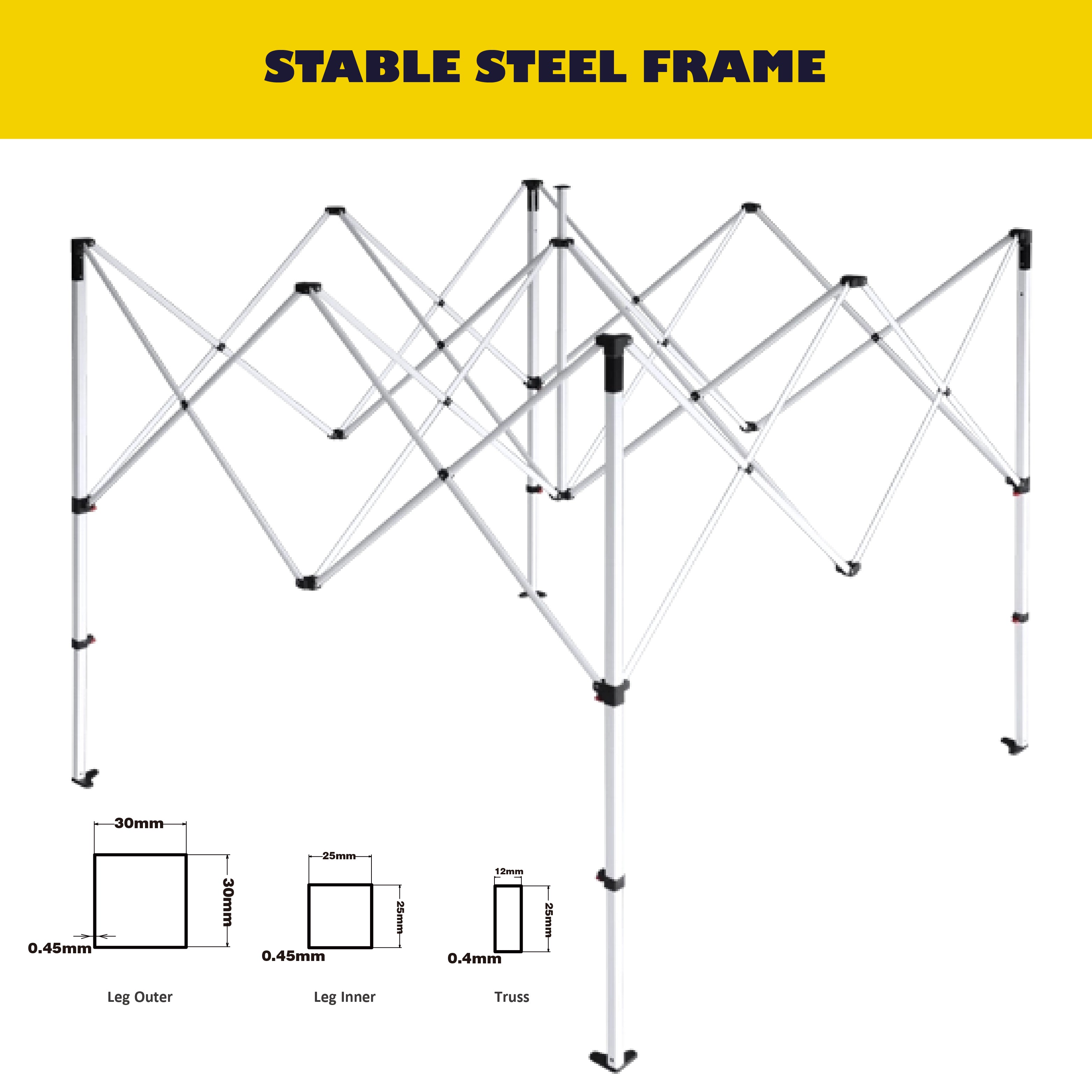
Frame, Fabric and Peak Height on a 5x5 Pop Up Canopy
Size tells you how much ground area the canopy occupies. It does not tell you everything about how the tent is built.
When comparing 5x5 pop up canopy options, check the individual product specifications for:
-
Frame material
-
Leg shape and construction
-
Canopy fabric
-
Fabric coating
-
Height adjustment
-
Peak height
-
Packed dimensions
-
Product weight
-
Included accessories
Peak height affects the space above you, while the leg settings determine the working height around the canopy perimeter.
Fabric specifications matter too. If rain protection, sun protection or repeated outdoor use is important to your application, use the specifications listed for the exact product rather than assuming every 5x5 canopy uses the same material.
Adding Walls Without Losing Usable Space
A 5x5 canopy tent with walls creates a different type of space from an open-sided tent.
On a 25-square-foot footprint, every addition matters. A wall can provide separation or create a backdrop, but it can also change airflow, visibility and how easily people move in and out of the setup.
Think about what the wall needs to accomplish.
A rear wall may make more sense for a display or branded background than closing several sides of a very small booth. For customer-facing setups, keeping the entrance open can make the limited space easier to use.
If sidewalls are part of your plan, confirm compatibility with the specific 5x5 canopy before ordering.
Anchoring a Small Canopy: Smaller Does Not Mean Unsecured
Do not treat a small canopy as automatically safe simply because there is less fabric overhead.
Any temporary outdoor canopy needs to be secured according to the product instructions and the conditions where it is being used.
The right method depends on the surface and the specific canopy.
On suitable ground, the setup may use the anchoring method specified for that product. On hard surfaces where stakes cannot be used, follow the manufacturer's guidance for compatible canopy weights or other approved securing methods.
Avoid copying a generic weight recommendation from another tent. Frame construction, canopy size and manufacturer guidance can differ.
And if conditions become unsafe, securing the canopy is not a reason to leave it standing.
Transport and Storage
The 5x5 footprint appeals to many buyers because they want a compact tent, but footprint and packed size are not the same measurement.
If fitting the canopy into a particular vehicle is important, check the packed dimensions before ordering.
Do not assume that every 5x5 canopy will fit every car trunk. Vehicle openings, folded frame length and storage configuration all vary.
The same principle applies to product weight. A smaller canopy may be easier to manage than a larger model, but check the listed weight of the specific tent if you expect to move it frequently.
For storage, put the canopy away clean and dry and keep the frame, top and related parts together. That makes the next setup easier and helps avoid storing damp canopy fabric for long periods.
5x5 or 10x10: Which Small Canopy Should You Buy?
Ask one question: how much actually needs to happen underneath the tent?
Choose a 5x5 when one compact station is enough. Move to a 10x10 when you need substantially more room for people, tables, displays or products—the 10x10 provides four times the ground area.
Blank or Custom 5x5 Canopy?
The footprint may be the same, but the purpose can be different.
A blank 5x5 canopy works well when the tent will move between different activities or when permanent branding is unnecessary.
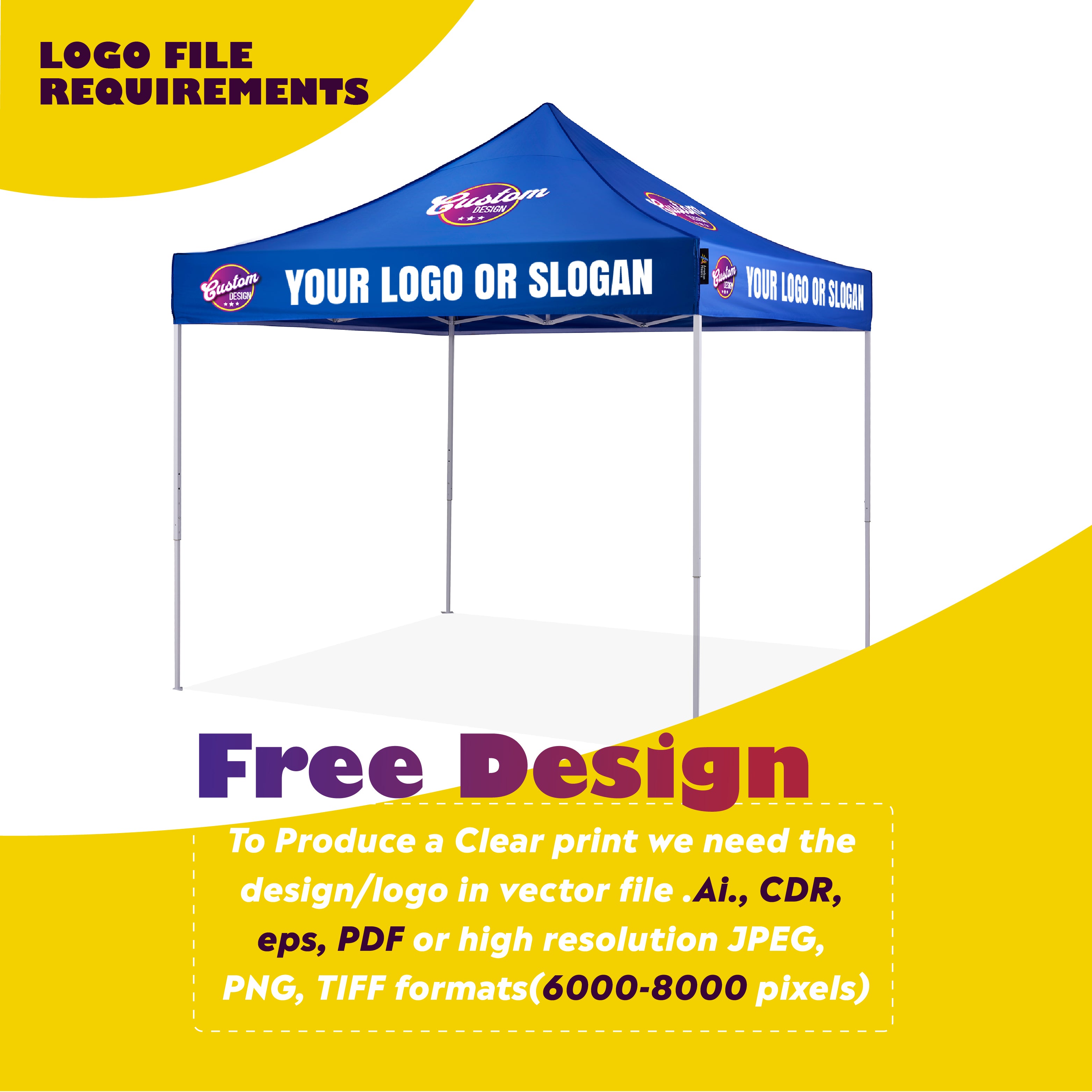
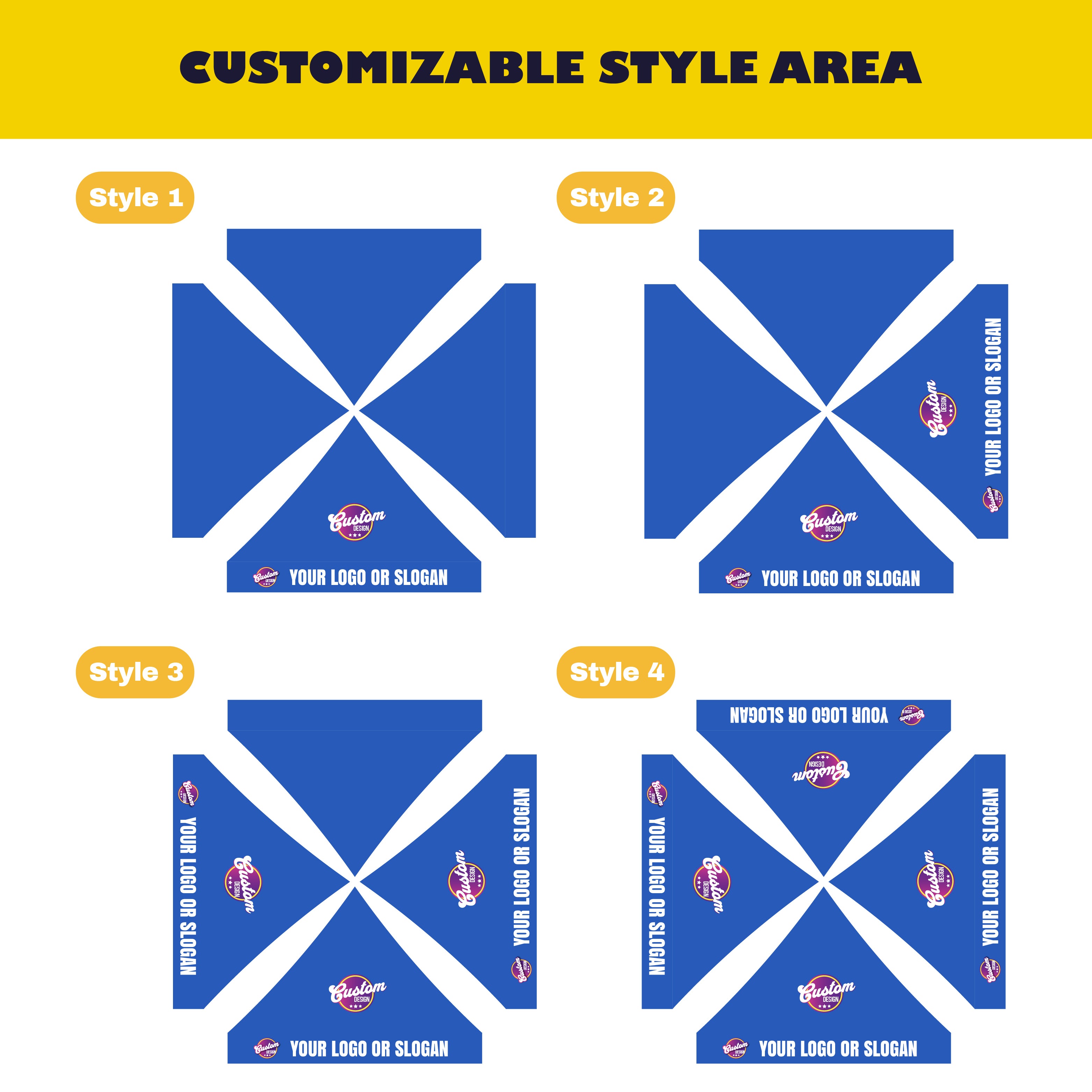
A custom canopy makes more sense when the same business, team, school or organization will use the tent repeatedly and you want the space to be recognizable as yours.
Our custom 5x5 canopy tent with logo lets you build branding into the compact setup instead of relying only on signs placed underneath it.
If you are comparing branded options across different footprints, browse our custom canopy tents to see the larger sizes available.
Shop 5x5 Canopy Tents at AP Canopy
Choose a 5x5 because the smaller footprint solves a real problem, not simply because it is the smallest tent available.
For a focused vendor station, check-in point, promotional setup or compact outdoor space, 25 square feet may be exactly what you need. If the layout starts feeling crowded on paper, move up before you order.
Browse our 5x5 canopy tents, compare the available configurations and choose the setup that matches how you plan to use the space.