
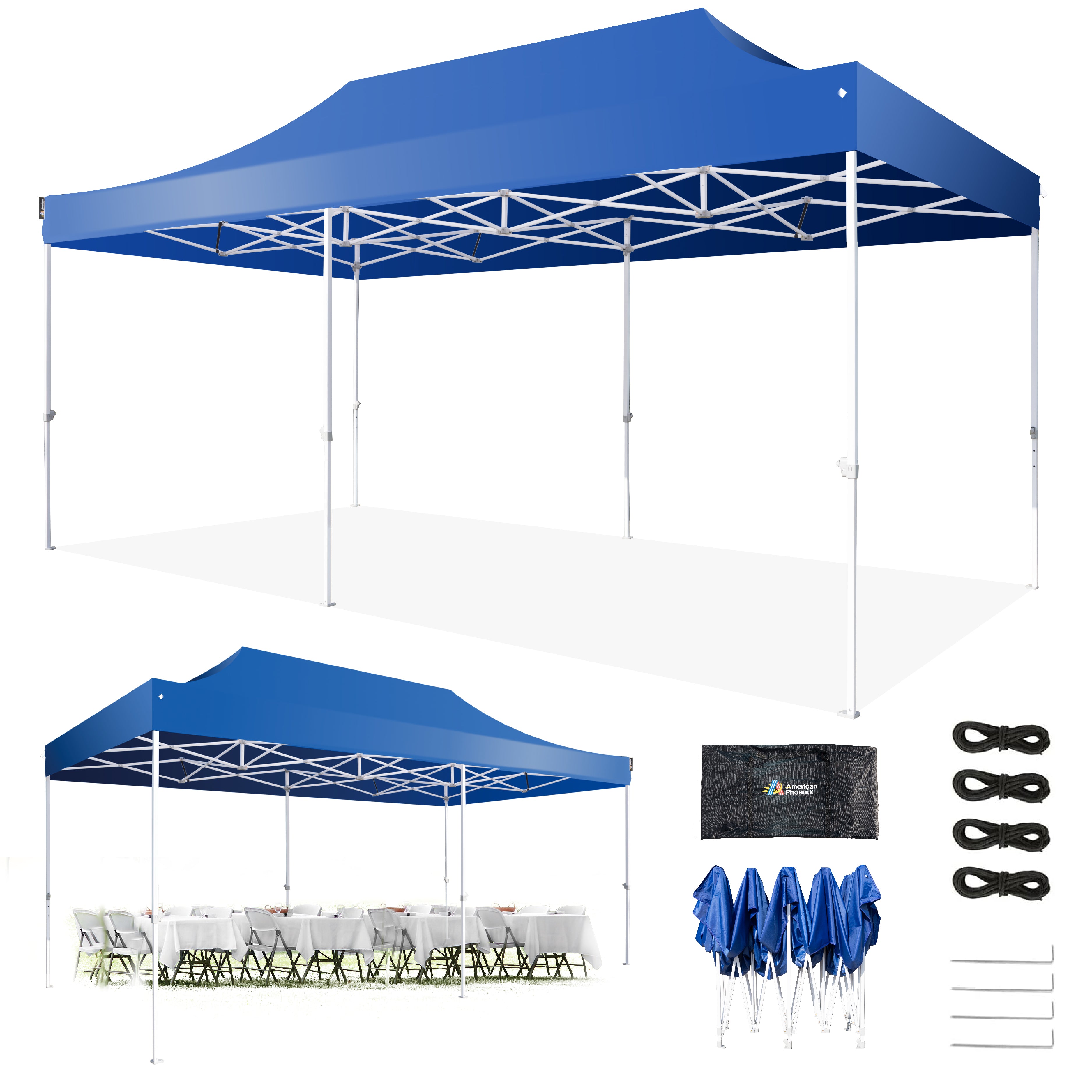
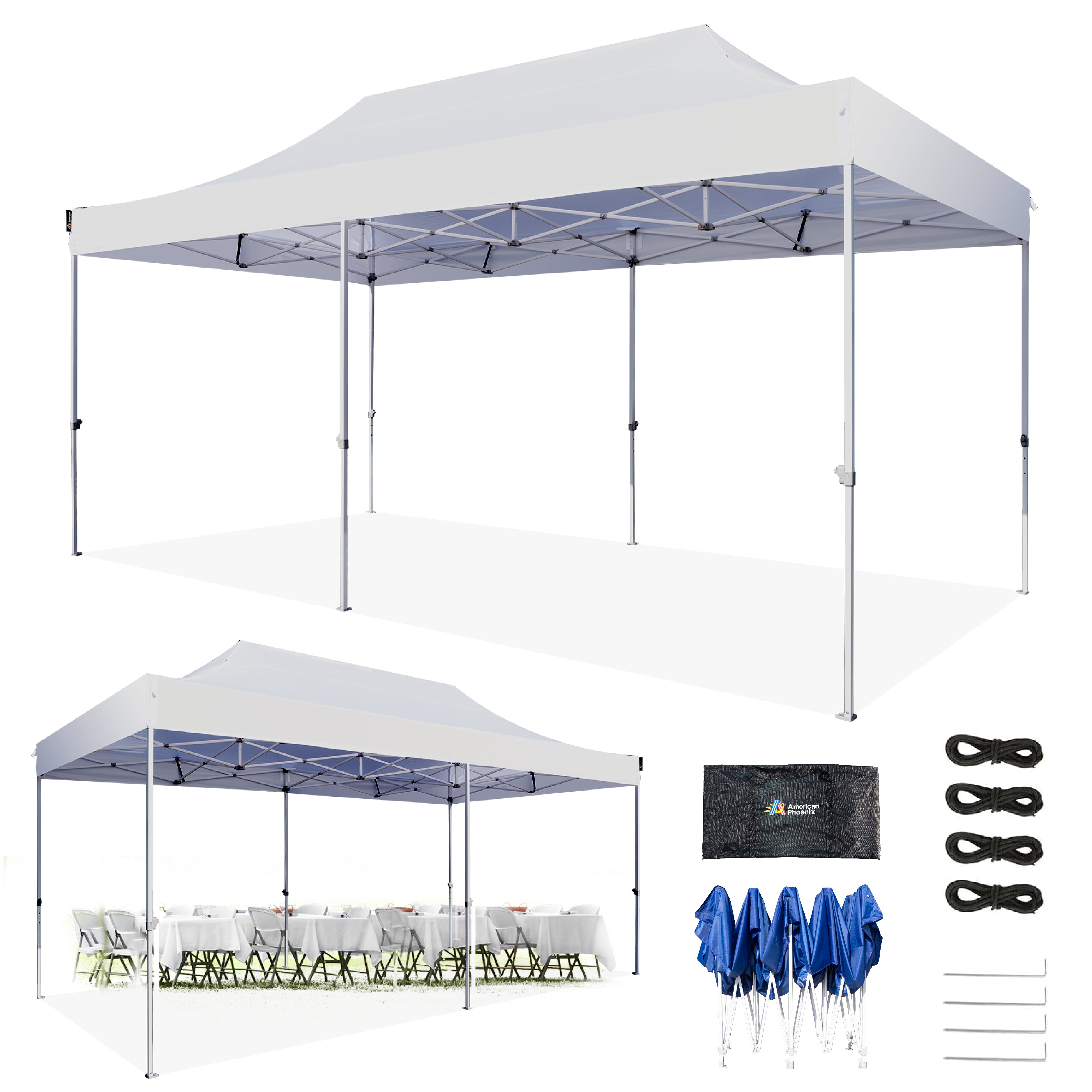
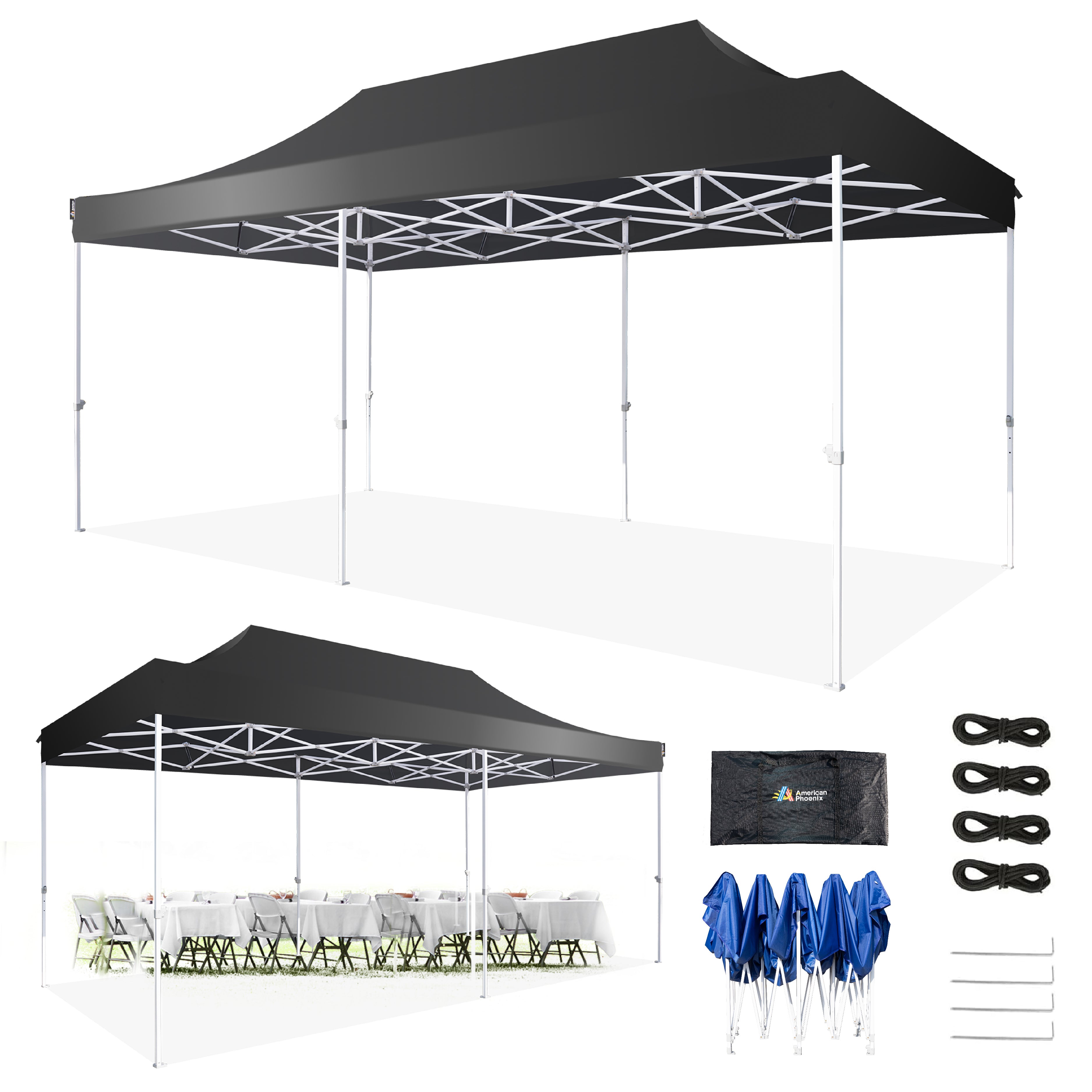
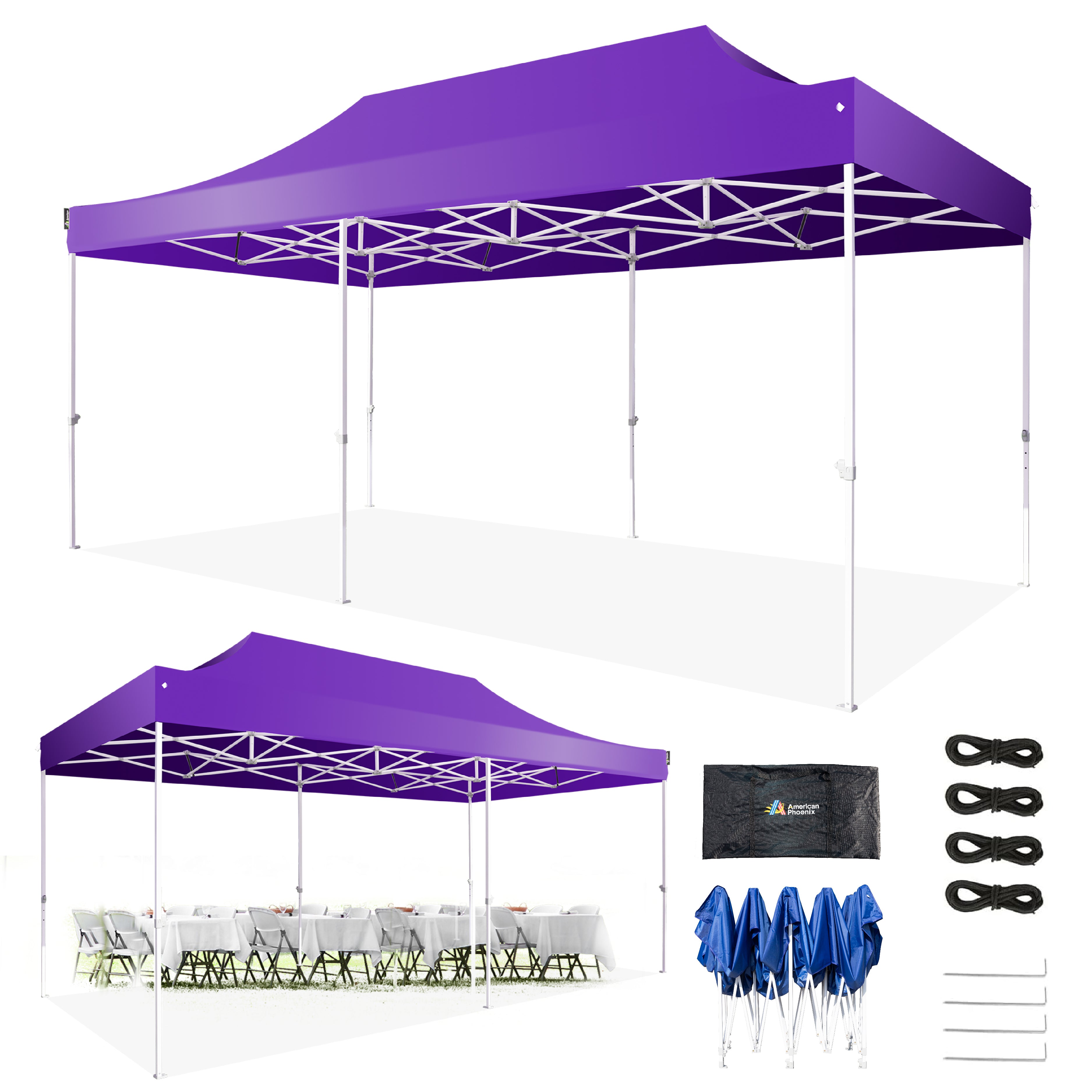
10x20 Canopy Tents for Double Booths and Large Events
A 10x20 canopy tent is designed for businesses, event operators, teams and organizations that need more space than a standard booth setup provides. With a 10×20 footprint, these canopies create a larger covered area for product displays, customer interaction, staff workspaces, registration areas and branded event setups.
A 10×10 canopy works well for compact vendor booths and smaller displays. Moving to a 10×20 gives you twice the footprint, allowing the space to be organized instead of simply filled. This makes the larger format useful for exhibitors, tournament organizers, concession operators, schools and businesses that need a more functional outdoor setup.
At AP Canopy, our 10x20 canopy tents are available for buyers who need commercial event coverage, including standard pop-up canopy options and custom printed canopy solutions for branded appearances.
What 200 Square Feet Actually Shelters
A 10×20 canopy provides 200 square feet of covered space. The important difference is not only the additional area, but how that space can be organized.
A larger footprint allows you to create separate zones underneath the canopy:
-
Product display area
-
Customer browsing space
-
Registration counters
-
Staff workspace
-
Equipment storage
-
Demonstration areas
-
Team gathering space
For example, a vendor selling products at an outdoor market may use the front area for customer interaction and displays while keeping extra inventory behind the booth. A sports organization may use the same footprint differently, with room for equipment, seating and team supplies.
The right setup depends on what needs to happen under the canopy.
Why a 10x20 Canopy Behaves Differently From Smaller Sizes
A 10×20 canopy is not simply a larger 10×10 canopy.
The additional length changes how buyers should think about:
-
Available event space
-
Transportation
-
Setup planning
-
Anchoring requirements
-
Layout design
A larger roof area provides more usable coverage, but it also creates a larger structure that needs to be planned correctly for the event environment.
For commercial users, this difference matters. A small vendor booth and a large event operation may both need shade, but the way they use the space underneath is completely different.
Choosing the Right 10x20 Canopy Setup
Before purchasing a 10×20 canopy tent, consider:
Available Event Space
A 10×20 footprint requires more room than a standard 10×10 booth. Check your event requirements, vendor space allocation and venue restrictions before selecting a larger canopy.
What Needs to Fit Underneath
Think beyond the canopy size itself.
Consider:
-
Tables
-
Product displays
-
Equipment
-
Staff movement
-
Customer flow
-
Storage
A well-planned layout prevents the canopy from becoming crowded.
Blank vs Custom Setup
A blank canopy works well when the main goal is shade and temporary coverage.
A custom printed canopy adds branding value by turning the entire structure into part of your display.
High-Impact Uses for a 10x20 Canopy Tent
Double Trade Show Booths and Sponsor Activations
A 10×20 canopy gives exhibitors more room to create a larger branded presence.
Instead of a single table arrangement, businesses can create dedicated areas for:
-
Product demonstrations
-
Brand displays
-
Customer conversations
-
Promotional materials
For companies attending outdoor expos or promotional events, the larger footprint creates a more complete booth experience.
Club, League and Tournament Hospitality
Sports organizations often need more than a simple shade structure.
A 10×20 canopy can provide space for:
-
Team equipment
-
Refreshment areas
-
Staff stations
-
Sponsor branding
-
Group gathering
For tournament days, having one organized team area can make event operations easier.
Registration, Medical and Volunteer Stations
Large events need efficient participant movement.
A wider canopy frontage can help organizations create:
-
Registration counters
-
Information desks
-
Volunteer stations
-
Support areas
The additional space allows staff to work while keeping visitor interaction organized.
Food and Concession Areas
Food vendors and concession operators often need separation between customer service and operational areas.
A 10×20 setup can provide room for:
-
Service counters
-
Product preparation areas
-
Inventory storage
-
Customer waiting space
The layout should always be planned around the workflow of the operation.
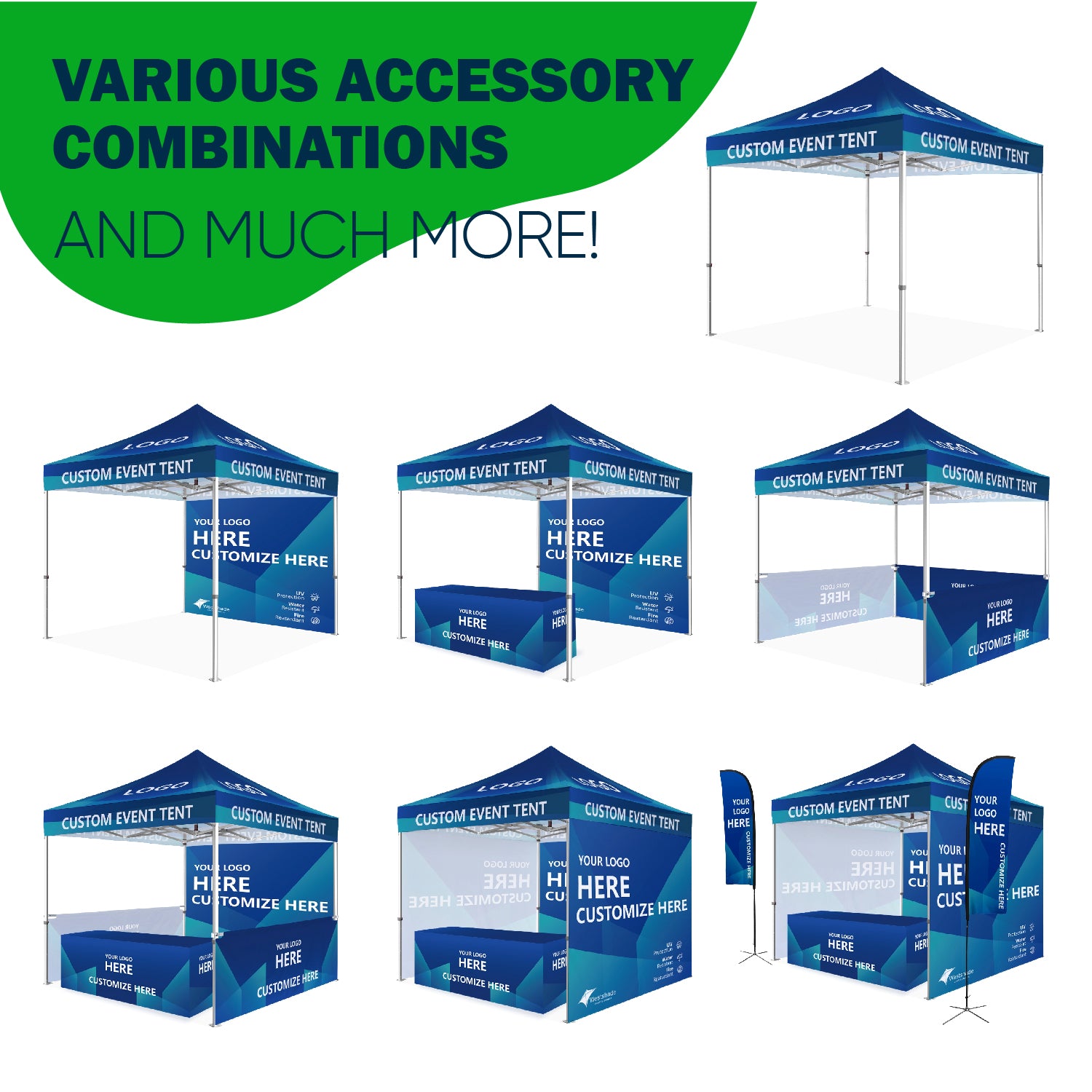
Sidewall Strategy for a 10x20 Canopy Tent
Sidewalls can change how a canopy functions.
They can provide:
-
Additional branding space
-
More privacy
-
Protection from certain weather conditions
-
A more enclosed booth appearance
However, adding walls changes the way the space feels and operates.
Consider:
-
Which sides need branding
-
Where customers enter
-
Whether visibility is important
-
Whether airflow needs to remain open
Many businesses use a combination approach, adding walls where branding or separation is needed while keeping other sides open for accessibility.
Explore our related custom canopy tent options for branded event setups.
One 10x20 Canopy or Two 10x10 Canopies?
Both options provide the same total footprint, but they serve different needs.
|
Setup |
Coverage |
Best For |
|---|---|---|
|
10×10 canopy |
100 sq. ft. |
Compact booths and smaller displays |
|
Two 10×10 canopies |
200 sq. ft. combined |
Flexible setups across multiple locations |
|
10×20 canopy |
200 sq. ft. continuous space |
Larger booths and single event layouts |
A 10×20 canopy is a strong option when you want one continuous display area.
Two 10×10 canopies may make more sense when you need flexibility to separate the setups later.
Compare our related 10x10 canopy tents for smaller booth requirements.
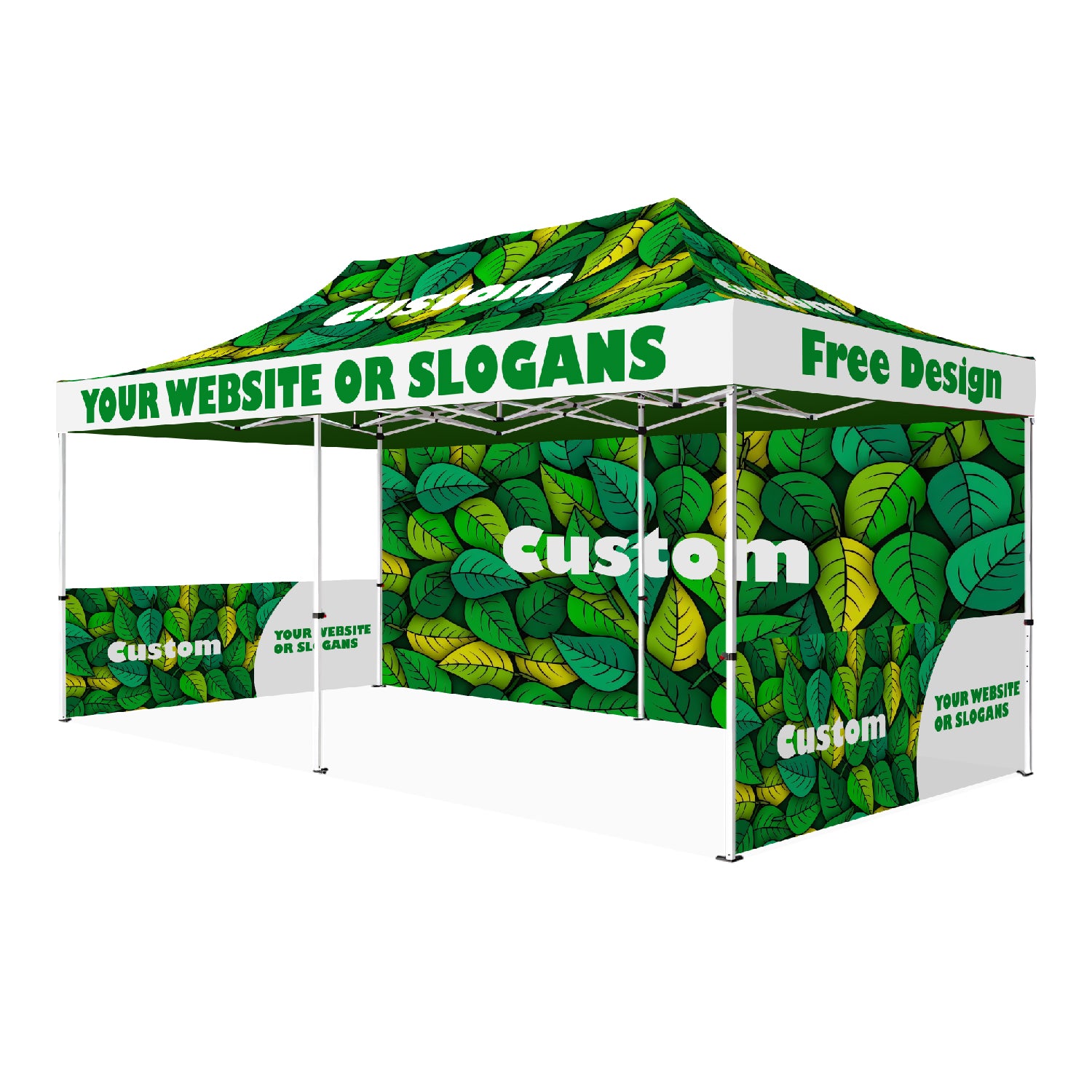
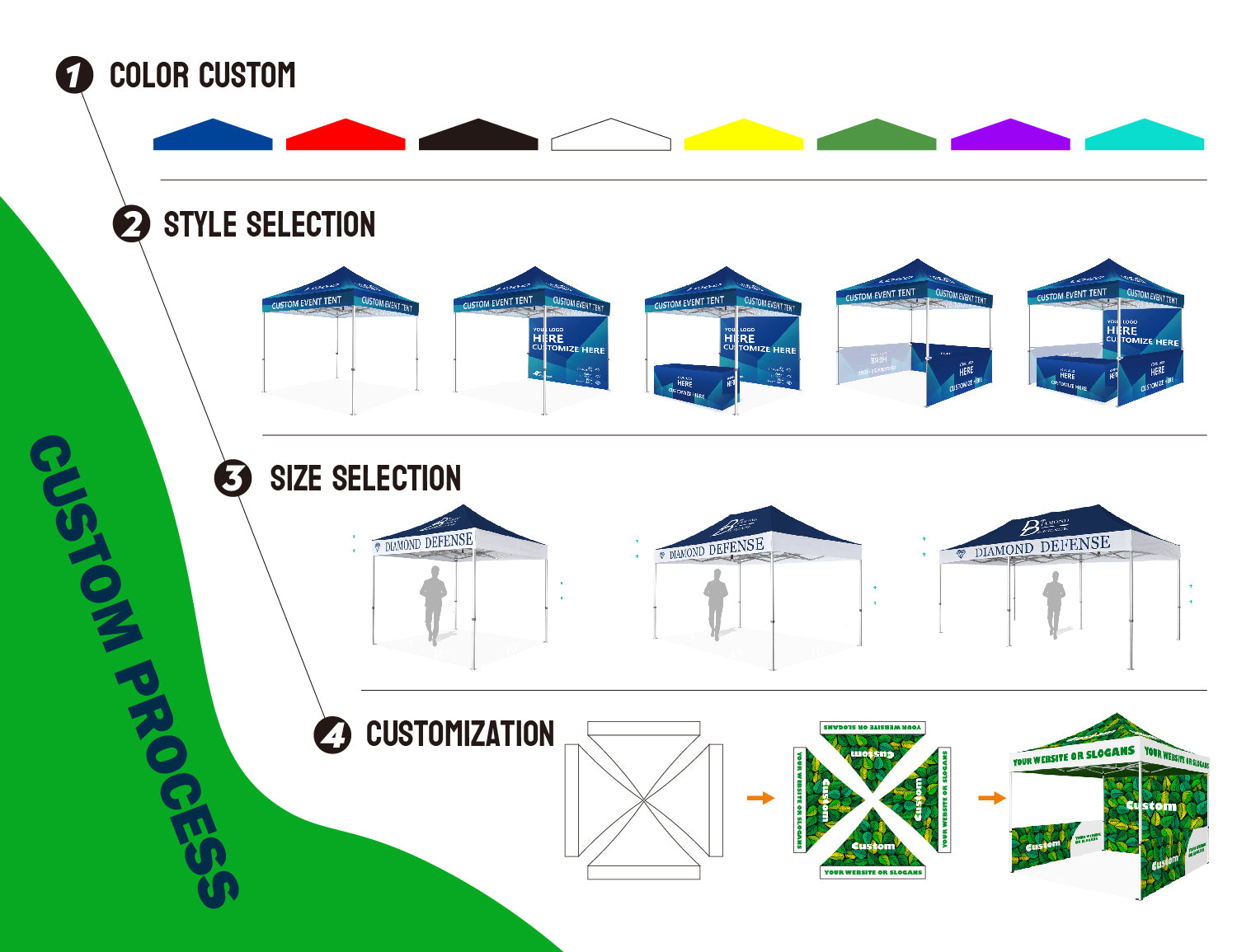
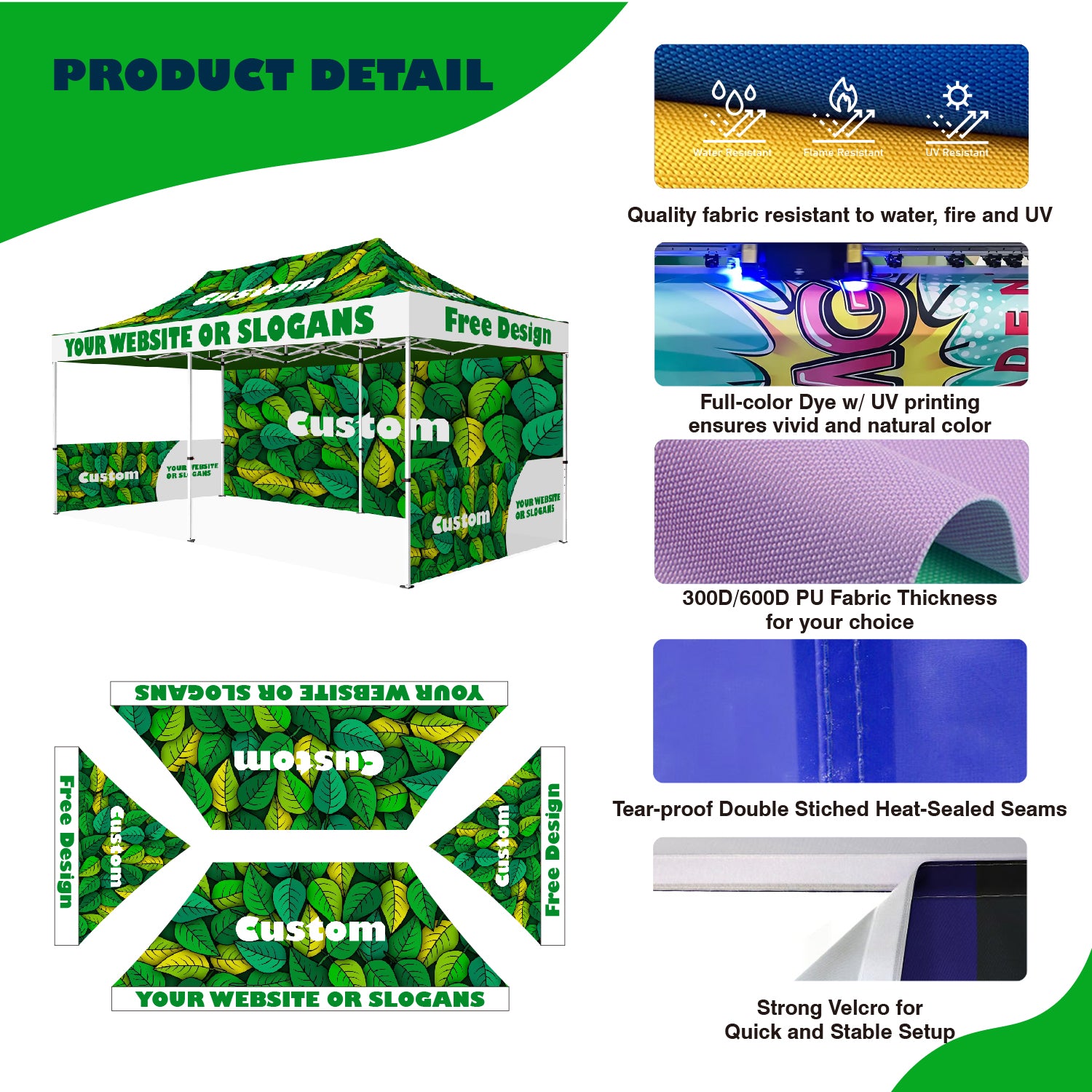
Custom Printing on a 10x20 Canopy Top
A 10×20 canopy provides a large visible surface for branding.
Custom printed canopies allow businesses and organizations to display:
-
Company logos
-
Brand colors
-
Sponsor graphics
-
Event messaging
For trade shows, outdoor promotions and community events, the canopy itself becomes part of the customer experience.
A branded structure can help visitors identify your booth from a distance and create a more professional appearance.
Explore our custom canopy tent collection for printed canopy options.
Transport, Storage and Setup Considerations
A 10×20 canopy provides more space, but buyers should also consider how they will transport and store the setup.
Before ordering, evaluate:
-
Available vehicle space
-
Storage area
-
Number of people available for setup
-
Event frequency
Commercial buyers using canopies regularly should plan not only for the event day, but also the movement between events.
Shop 10x20 Canopy Tents at AP Canopy
A 10×20 canopy tent gives businesses, vendors, teams and organizations the extra room needed for larger outdoor setups.
Compared with smaller canopy sizes, the additional footprint allows more flexible layouts for displays, customer interaction, equipment and branded experiences.
Whether you need a standard pop-up canopy or a custom printed setup, AP Canopy provides 10×20 solutions for commercial events, promotions and outdoor activities.